RAPTOR ROOFING & CONSTRUCTION LTD

Reliable Roof Repairs for Wood Green Homes — Raptor Roofing

Water staining your ceiling or slipped tiles visible from the ground is a sign to act before small damage becomes costly. We carry out targeted repairs — tile and slate replacement, flashing reseals and storm damage restoration — and describe what the repair will involve so you can decide with confidence. Send photos and a postcode and we’ll advise the sensible next step.

Roof Repairs in Wood GreenHERTFORDSHIRE / ESSEX / LONDON

AN INTRODUCTION / 02

Focused Roof Repairs Practical Care for Wood Green Properties

Found a leak or clear signs of wear? Getting the right repair in place soon reduces the risk of wider damage and higher costs later.

Noticing damp patches, cracked tiles or water dripping into the loft usually points to a repair that limits further damage. We inspect accessible areas, identify the likely cause and recommend focused repairs such as replacing slipped tiles, refitting or resealing flashings, clearing gutters and restoring storm-damaged sections. After inspection we provide a written quote listing the work, materials and any access requirements so you know exactly what’s involved before deciding.

EXPLORE THE OPTIONS

OUR SERVICES / 02

Core Roof Repair Services

Leaking roofs, missing tiles or damaged flashings are handled with a planned repair approach: general repairs, emergency stabilisation, leak tracing, storm damage restoration, tile and slate replacement and flashing repairs. Every service begins with the issue you’ve spotted and leads to a recommended repair route and written quote.

01 / 06ROOF REPAIRS & EMERGENCY ROOFING

General Roof Repairs

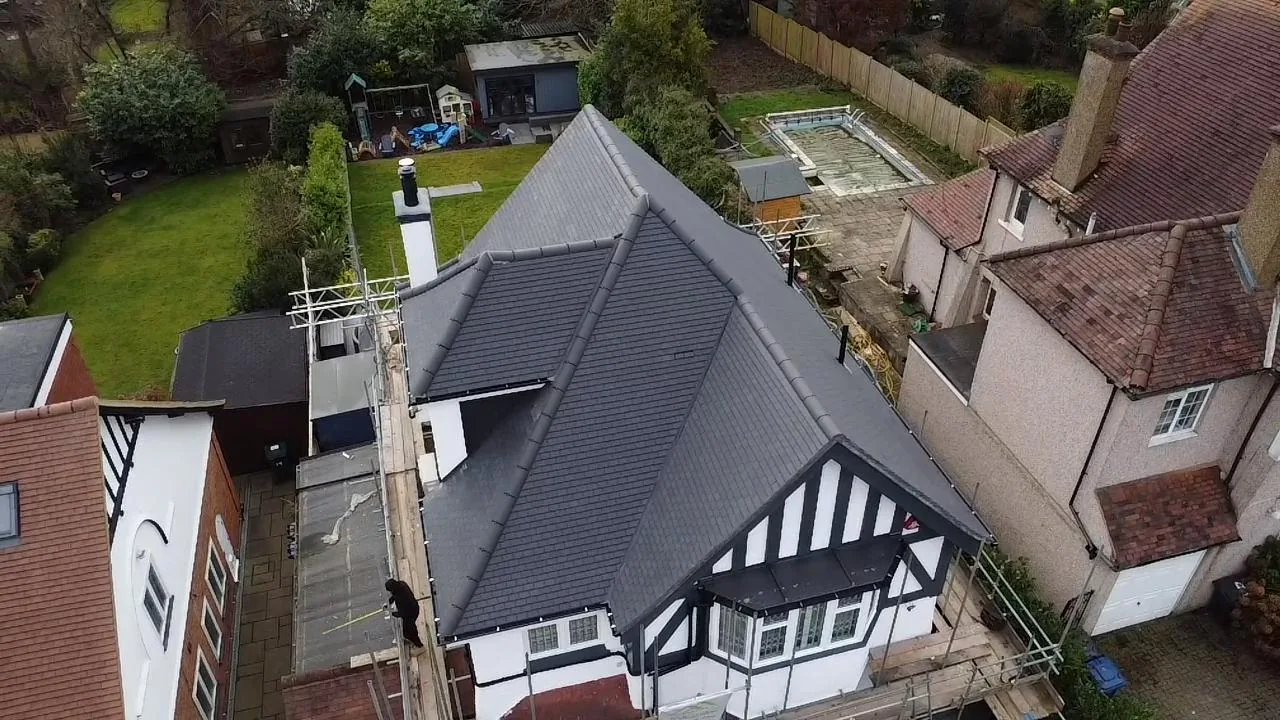
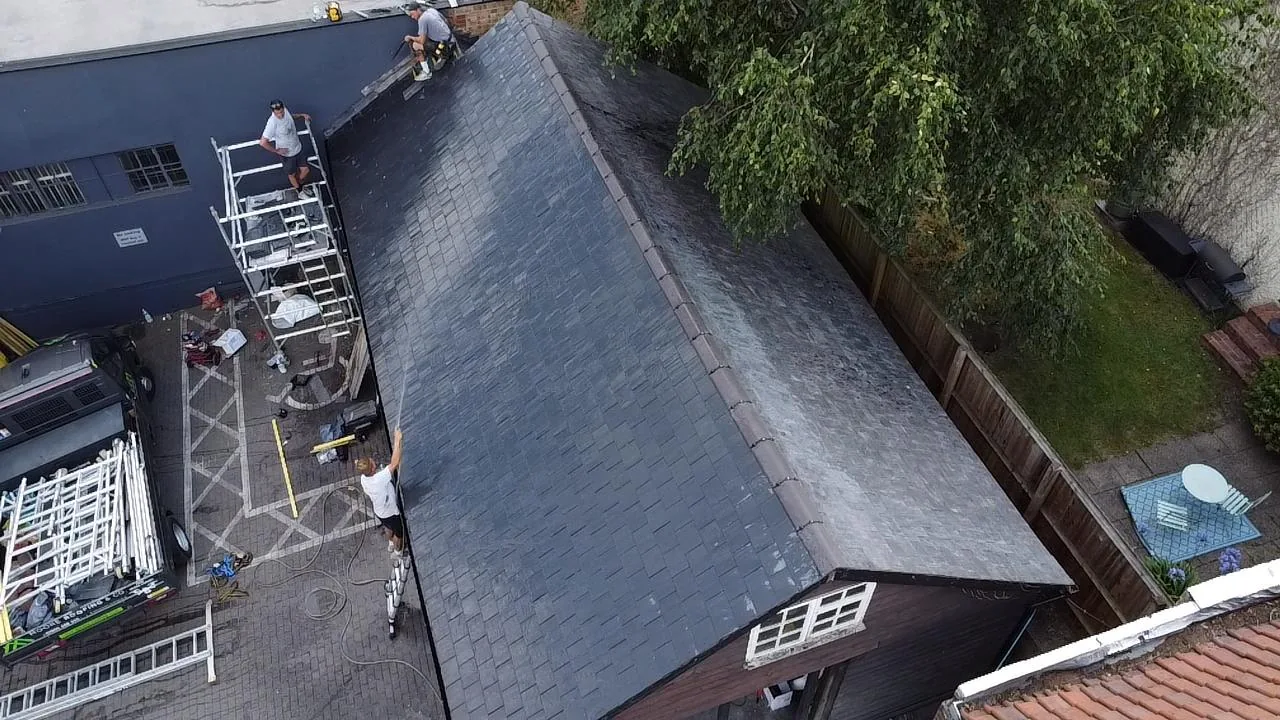
Visible broken, cracked or slipped tiles are inspected from safe access points and prioritised to restore weatherproofing. Common tasks include replacing individual tiles or slates, renewing ridge mortar where needed and repairing small visible areas of underlay. The objective is to stop water ingress and ensure new work integrates with the existing covering while minimising disruption.

ENQUIRE ABOUT THIS SERVICE
02 / 06ROOF REPAIRS & EMERGENCY ROOFING

Emergency Roof Repairs

To stabilise a situation where rain is entering or tiles have been blown off, we arrange temporary coverings, secure displaced tiles and clear debris or blocked outlets until a permanent repair can be planned. Send the postcode, describe the damage and include photos; we’ll explain safe short-term protection and the likely scope of a permanent fix.

ENQUIRE ABOUT THIS SERVICE
03 / 06ROOF REPAIRS & EMERGENCY ROOFING

Leaking Roof Repairs

Tracing water on ceilings or inside the loft begins at vulnerable junctions. Repairs frequently involve replacing damaged tiles, reseating ridge and hip tiles and renewing or refitting flashings around chimneys and dormers. Where safe to do so we check loft timbers for active wetting and recommend work that stops ongoing ingress and limits secondary damage to timbers and plaster.

ENQUIRE ABOUT THIS SERVICE
04 / 06ROOF REPAIRS & EMERGENCY ROOFING

Storm Damage Repairs

After high winds or falling debris, weatherproofing and safe removal of hazardous material take priority. Typical responses include refixing or replacing tiles, repairing or refitting flashings and clearing gutter blockages caused by storm debris. We’ll advise whether a local repair is appropriate or if further investigation of underlays and battens is needed to be certain the roof is secure.

ENQUIRE ABOUT THIS SERVICE
05 / 06ROOF REPAIRS & EMERGENCY ROOFING

Roof Tile & Slate Repairs

When individual tiles or slates are cracked, slipped or missing, we select matching replacements where available and refix them using suitable nails or clips. The work includes careful removal of damaged pieces, checking battens where visible and ensuring replacements sit flush and weatherproof. Correct fixing and alignment reduce the risk of future slippage and stop water tracking under adjacent coverings.

ENQUIRE ABOUT THIS SERVICE
06 / 06ROOF REPAIRS & EMERGENCY ROOFING

Roof Flashing Repairs

Flashing failures at chimney bases, dormer junctions or where the roof meets a wall are a common source of leaks; repairs range from resealing and re-bedding metal flashings to refitting stepped flashings or adding lead apron pieces where joints have opened. We concentrate on securing those junctions to restore a watertight barrier and explain any limitations if access or concealed damage prevents a full view.

ENQUIRE ABOUT THIS SERVICE

ROOF REPAIRS / VISUAL REFERENCE

A closer look at what goes into roof repairs.

Roof coverings, materials and surrounding details can all influence the scope of a repair. Here are a few general roofing references to accompany this guide.

Illustrative side view of residential roofing
Understanding the roofROOF PROFILE
Illustrative photograph of roofing materials
Materials and structureMATERIALS
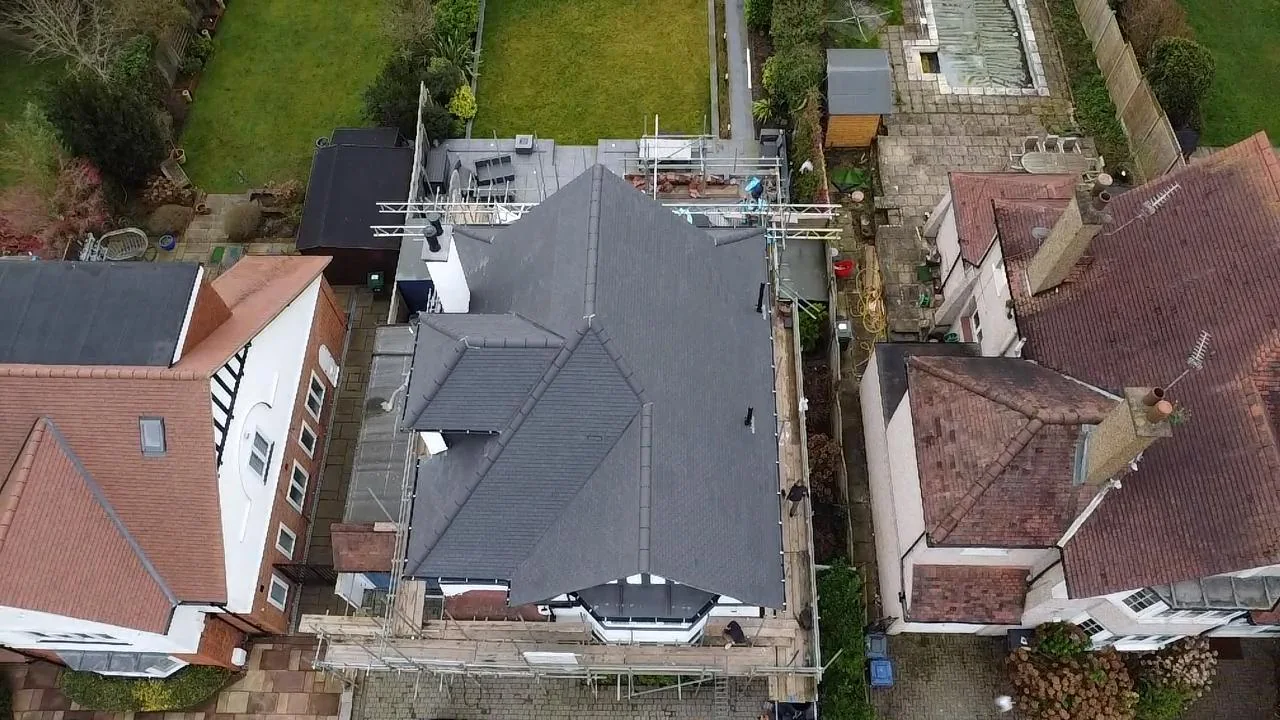
Illustrative photograph showing a roof from above
The wider roof pictureROOFTOP VIEW

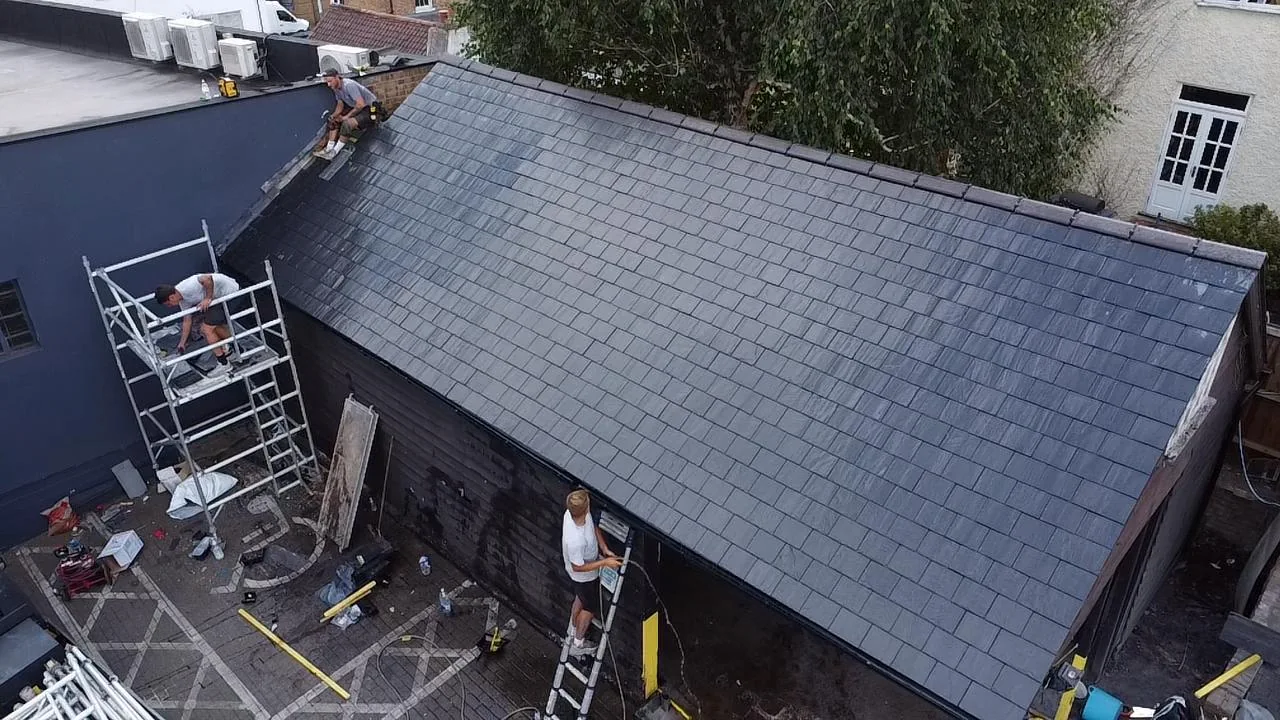
Illustrative roofing photographs. They do not show or imply projects completed by Raptor in Wood Green.

OUR PROCESS / FOUR STAGES

Our Roof Repair Process

Contacting us with a defect starts a sequence of inspection, diagnosis, quotation and careful repair so you know what’s being done and why. Each stage aims to limit disruption and avoid unnecessary work while restoring weatherproofing and protecting the structure beneath the coverings.

  1. STAGE / 0101 — 04
    01

    Initial Roof Inspection

    We start with a safe inspection from the ground, ladder checks where they can be carried out safely and a loft inspection to spot damp timbers or active leaks. Risky access is avoided unless necessary; close-up photos, temporary scaffold or specialist access may be used to examine complex junctions. The inspection identifies visible defects, likely causes and any immediate actions needed to stop further water ingress.

  2. STAGE / 0202 — 04
    02

    Diagnosis and Quotation

    After inspection, we diagnose the primary cause and list practical repair options in a written quote. The quote separates work items, materials and any access requirements so you can prioritise. Where concealed faults are suspected, we explain what further investigative access would reveal and how that could affect repair choices.

  3. STAGE / 0303 — 04
    03

    Careful Repair Work

    Proceeding with repairs, we use standard fixings and methods appropriate to the roof covering. Work commonly includes replacing tiles, securing ridges, resealing or refitting flashings and addressing storm damage. We protect the property below and keep you informed of any additional findings that change the scope while carrying out the agreed tasks neatly.

  4. STAGE / 0404 — 04
    04

    Post-Repair Review

    Once repairs are complete, we check that replacements are securely fixed and joints are watertight, then inspect internal areas that were affected by leaks. A clear note of the work done and any recommended follow-up — for example gutter clearance or periodic checks after severe weather — is left with you so you know what to watch for next.

WHY CHOOSE RAPTOR / WHAT MATTERS

Why Work With Us

Needing a straightforward repair means clear recommendations and practical work that address the cause rather than cosmetic fixes. Our priority is to restore weatherproofing, present options plainly and help you choose the best course of action for your roof.

01

Practical, Direct Advice

Bring photos and a postcode and we’ll assess the likely problem, then outline practical repair choices you can act on. We separate essential items needed to stop leaks from optional work, helping you budget while keeping the focus on durable weatherproofing.

02

Focused Repair Work

Where a targeted repair will resolve the issue, we concentrate on that work rather than recommending wholesale replacement. Typical tasks include replacing slipped tiles, resealing flashings and addressing storm damage only where it matters, giving a proportionate solution to the problem.

03

Clear Communication

When further investigation or a specialist survey is required, we say so and explain the reason. Written quotes break out materials and labour so you can compare options and decide the most sensible next step.

INSIGHT / Raptor Roofing Insights

Understanding Roof Repairs in Wood Green Practical Advice for Homeowners

Deciding whether to repair or investigate further requires the right information so you avoid unnecessary cost and protect the structure beneath the roof covering.

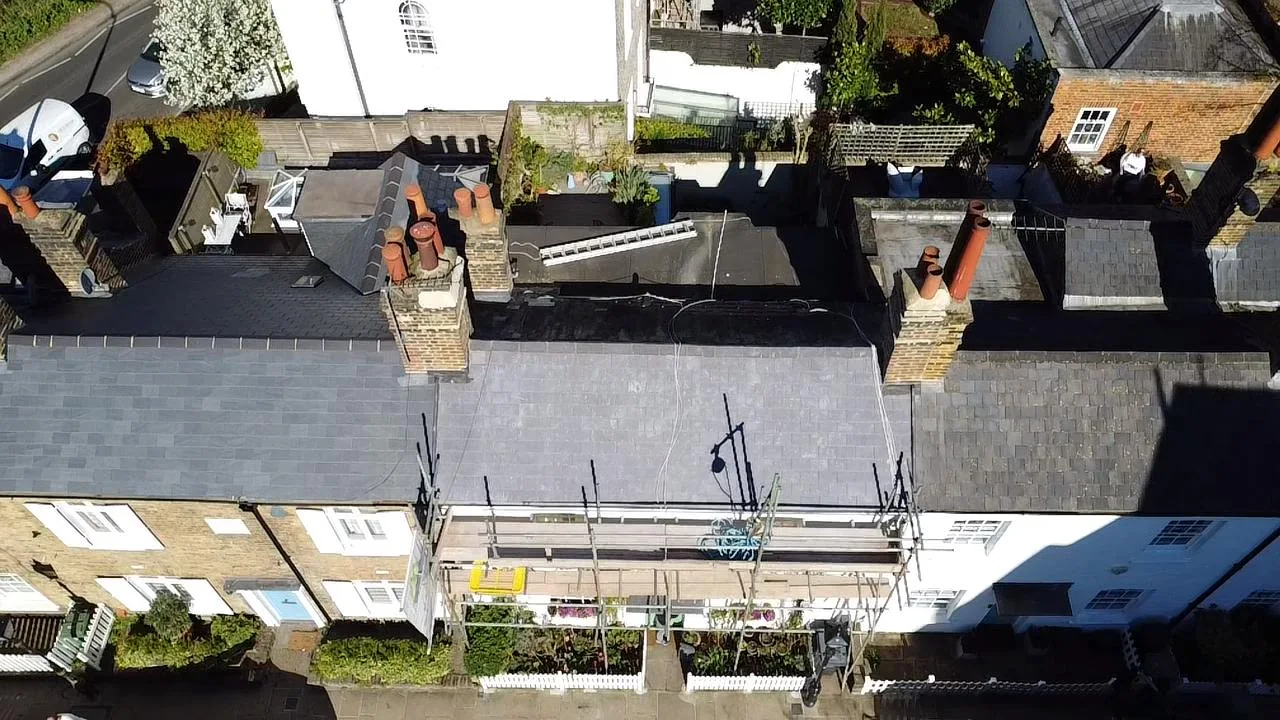
Illustrative street-level photograph of residential roofs ROOF COVERINGS / PHOTO REFERENCE General roofing reference image — not a verified Wood Green project.
01 / EXPLAINED

Identifying Roof Damage Early

Spotting water stains on ceilings or mould in the loft should prompt an immediate check for the source. Early signs include a single slipped tile visible from the ground, damp patches along verge boards or drips into attic spaces during rain. Use binoculars for an initial ground check and photograph any areas of concern; if internal signs appear after wet weather, a focused inspection of junctions — chimneys, dormers and valley lines — often locates the entry point. Where access is awkward, send clear photos and the postcode so we can advise whether a closer, safer inspection is required.

02 / EXPLAINED

Choosing Repair Types and Priorities

Broken tiles, loose ridge mortar and damaged flashings should be prioritised to restore a continuous weatherproof layer. Replacing single tiles and reseating adjacent fixings is often sufficient, though repeated slippage suggests battens or fixings need checking. Flashing repairs around chimneys and dormers can stop leaks immediately, but badly corroded metal or failed bedding may mean partial replacement is the more economical long-term option. For storm damage decide between urgent temporary protection and a planned repair that inspects timbers and underlays so you can manage costs while addressing the root cause.

03 / EXPLAINED

Safe Access and Practical Limitations

Safe access is the first consideration for any repair. Ladder inspections and loft checks diagnose many faults; more complex junctions or high roofs may require scaffold or cherry picker access. Concealed defects, such as degraded underlay or rotten timbers, become visible only with sectional access and can change the scope of work. Where that’s likely, we outline the investigative steps and why they’re necessary so you can choose whether to proceed in stages. Avoid climbing roofs yourself: professional access is safer and gives a more accurate assessment of hidden risks.

AREAS WE SERVE

Serving Wood Green and Nearby Areas

Living in Wood Green? We cover repairs across the area and also work in nearby Muswell Hill, Highgate and Palmers Green. Tell us the postcode when you contact us so we can advise on safe access and the most practical repair approach for your property.

DISCUSS YOUR LOCATION
01 / COUNTYHertfordshire
02 / COUNTYEssex
03 / REGIONLondon

START THE CONVERSATION

Tell us about the job and we will take a look

Send us a few photographs and your postcode using the form, or give us a call. We will come back to you, arrange a survey where one is needed, and set out in writing what we recommend and why before any work is agreed.

REPAIRS / ENQUIRY DETAILS01 — 05

Tell us about your project.

Send your project details to Raptor using the form below.

Your enquiry will be sent securely through this website.

QUESTIONS / ROOF REPAIRS & EMERGENCY ROOFING

Frequently Asked Questions

Got a specific concern about your roof? The answers below cover common risks, what we check and how best to present the issue so we can advise efficiently.

ASK ANOTHER QUESTION
01How do I know if my roof needs repairs?

Missing, cracked or slipped tiles, water stains on ceilings, damp loft timbers or mould growth are typical indicators that a repair is needed. Gutters that overflow or drip at joints and loose or corroded flashings also point to potential leaks. Send photos and your postcode and we’ll assess whether a site visit is advisable.

02Can all roof repairs be done without replacing the whole roof?

Many issues can be fixed with targeted repairs such as replacing individual tiles, resealing flashings or repairing gutters. Whole-roof replacement becomes necessary if timbers, underlays or large areas of covering are extensively degraded. We explain the difference after inspection and show the repair options with costs so you can choose the most practical path.

03Will my insurance cover roof repairs?

Insurance cover depends on your policy and the cause of the damage. Insurers commonly cover sudden storm damage but not wear and tear. Take photos, keep records of weather or incidents and contact your insurer to check cover; we can provide a repair report if required to support a claim.

04Do you provide emergency roof repairs in Wood Green?

Rain entering the property should be described with the postcode and photos so we can advise on safe temporary protection and whether a close inspection or stabilising action is needed. Availability for immediate attendance depends on scheduling and safe access; we’ll outline short-term measures you can take while arranging the appropriate response.

05How are leaking roofs repaired?

Leaking roofs are repaired by tracing the source—often a slipped tile, failed flashing or a vulnerable junction. Typical steps are replacing damaged tiles, reseating or replacing flashings and checking the loft for wet timbers. If concealed defects are suspected, we explain what access is needed to investigate and how that affects the repair approach.

06What should I do after a storm has damaged my roof?

After a storm, check for obvious broken or missing tiles from the ground and photograph any damage. Clear gutters of debris where safe, and if there’s active leaking, send photos and your postcode so we can recommend short-term protection and a repair route. Avoid climbing onto the roof yourself and follow safety guidance while you gather information for an assessment.