RAPTOR ROOFING & CONSTRUCTION LTD

Brickwork and Masonry in Wood Green

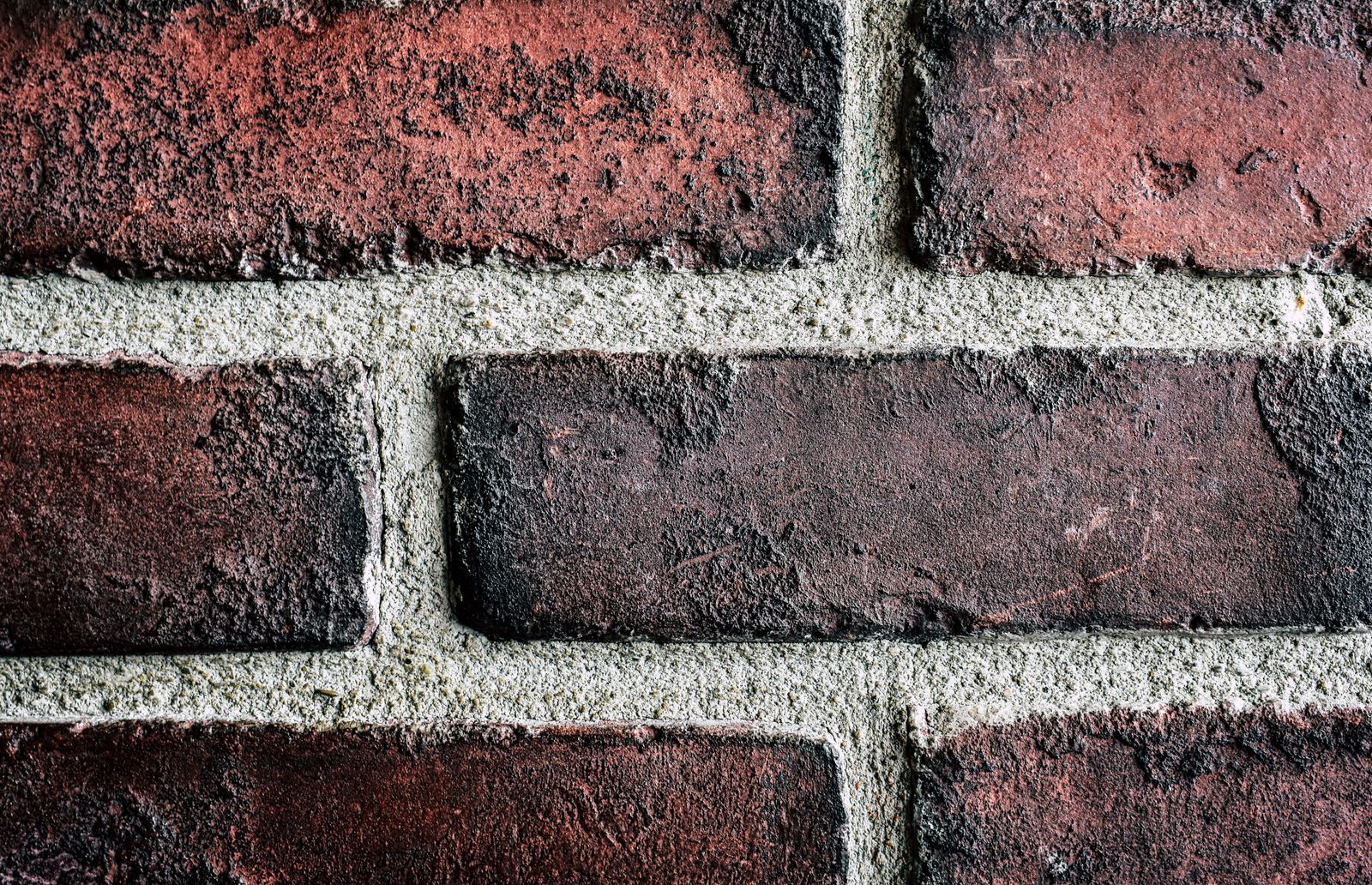
Cracked, bulging or moisture‑affected brickwork needs practical repair options and a clear next step. Contact us to inspect the defect, assess whether repointing, selective brick replacement or partial rebuilding is required, and outline the likely work involved. We will prioritise safe access, material compatibility and protection for gardens and internal finishes while preparing a written recommendation.

Brickwork and Masonry in Wood GreenHERTFORDSHIRE / ESSEX / LONDON

AN INTRODUCTION / 07

Your Local Brickwork and Masonry Specialists Comprehensive Services for Wood Green

Seen loose bricks, eroded mortar or a leaning garden wall? The first step is to establish whether the issue is cosmetic or shows signs of movement.

Surface decay or failing mortar is often arrested by repointing or selective brick replacement, but visible movement such as widening cracks or bulging courses calls for a structural appraisal first. We summarise material choices, likely disruption and the practical maintenance needed to help repairs last, so you can decide what to instruct after a focused site survey.

EXPLORE THE OPTIONS

OUR SERVICES / 07

Our Brickwork and Masonry Services

Need a clear plan for brickwork—whether a new garden wall or repairs to an old boundary—our services cover construction, repair and repointing. Each job begins with an assessment and ends with advice on care and drainage to reduce recurring problems, plus guidance on foundations, mortar choices and access so you can compare quotes sensibly.

01 / 04BRICKWORK & MASONRY

Brick Wall Construction

For a new brick wall—boundary, partition or feature—we design and build to suit the wall’s purpose. That includes specifying an appropriate footing, selecting frost‑resistant units for external use and choosing a mortar that matches exposure. We also set out how we’ll handle drainage, movement joints and final finishes so the wall performs and looks right from day one.

ENQUIRE ABOUT THIS SERVICE
02 / 04BRICKWORK & MASONRY

Garden Walls

To resist soil pressure and ground moisture, proper footing and drainage are planned before the first course is laid. Construction considers soil level, retained load and coping detail to shed water; we select bricks and mortar for outdoor durability, cut in movement joints where needed and protect adjacent planting while work proceeds to reduce disruption.

ENQUIRE ABOUT THIS SERVICE
03 / 04BRICKWORK & MASONRY

Brickwork Repairs

Damaged bricks that are cracked, spalling or loose need assessment to decide between replacement or consolidation and repointing. Repairs involve careful removal of affected units, matching replacements where practical and tying new work into the old without creating moisture traps. We identify common causes—rising damp, freeze‑thaw or impact—and recommend follow‑up actions to minimise recurrence.

ENQUIRE ABOUT THIS SERVICE
04 / 04BRICKWORK & MASONRY

Repointing

Eroded or missing mortar joints are restored by repointing to renew weather resistance and prevent water ingress. We rake out failed mortar to a sound profile, choose a compatible mix (lime‑based for traditional builds, controlled cement mixes for modern brickwork) and finish joints to match the existing face, with curing and temporary protection to secure performance.

ENQUIRE ABOUT THIS SERVICE

OUR PROCESS / FOUR STAGES

How We Approach Brickwork and Masonry Projects

Considering work, a clear sequence from inspection to completion helps avoid surprises. We assess access and defects, select materials that will not harm existing fabric, agree a scope and then carry out the work while protecting surrounding areas and ensuring joints and foundations suit the task.

  1. STAGE / 0101 — 04
    01

    Assessment and Survey

    On reporting visible defects we carry out a focused inspection to identify cracked bricks, joint failure and any signs of movement. Photographs and measurements help distinguish cosmetic problems from structural ones, and where serious movement is apparent we’ll recommend a structural appraisal before quoting so remedial work addresses the true cause.

  2. STAGE / 0202 — 04
    02

    Material Selection and Planning

    Following the survey we select bricks and mortar compatible with the existing fabric and produce a scope that separates urgent safety work from routine maintenance. That plan covers foundations, drainage and scaffolding needs and explains why a lime or controlled cement mortar is appropriate so you can compare our proposal to others on an equal basis.

  3. STAGE / 0303 — 04
    03

    Execution of Work

    Once you accept the proposal our masons carry out repairs or construction using standard methods: careful removal of defective material, preparation of sound backing, correct bonding and joint finishing. We protect adjacent surfaces and landscaping, dispose of waste responsibly and keep you informed about any unexpected findings that change the scope.

  4. STAGE / 0404 — 04
    04

    Final Inspection and Advice

    Aftercare begins with a site walk‑through to show the finished repairs and explain maintenance tasks to reduce future problems. We supply concise notes listing what was done, the materials used and what to watch for next so you can decide on any follow‑on work or seasonal checks.

WHY CHOOSE RAPTOR / WHAT MATTERS

Why Choose Professional Brickwork Services?

Poor technique or incompatible materials make repairs fail prematurely or create new problems. Professional work sets out correct mortar, bonding and drainage to prolong wall life and avoid repeating defects, and we explain the reasons for our methods so you understand the approach.

01

Structural Soundness

Where a wall carries load or retains soil, correct layering, adequate foundation depth and proper bonding are essential to keep it stable. We use methods that preserve a wall’s load-bearing capability and reduce the risk of movement, and we flag when a structural appraisal is necessary rather than guessing at causes.

02

Material Compatibility

Using hard cement mortars on older, softer bricks can accelerate erosion of the units. We select mortar mixes and replacement bricks that are compatible with the existing fabric so repairs do not speed up decay, and we outline trade-offs such as breathability versus compressive strength to help you choose the right approach.

03

Longer-Lasting Repairs

Spotting and fixing small defects early often avoids bigger interventions later. We recommend appropriate repointing or selective brick replacement and practical maintenance—clearing gutters, controlling vegetation and improving drainage—to reduce water exposure and protect new work from unnecessary stress.

INSIGHT / Expert Guide

Understanding Brickwork and Masonry in Wood Green A Homeowner’s Essential Resource

Deciding whether to repoint, replace bricks or rebuild a section becomes easier once you know which questions to ask and which practical checks matter when commissioning the correct work.

01 / EXPLAINED

Recognising Common Brickwork Problems

Start by recording the defect’s pattern and any change over time. Horizontal hairline mortar cracks differ from diagonal or vertical cracks that can suggest movement; bulging courses, widening cracks or leaning sections warrant deeper assessment rather than a cosmetic fix. Note whether damp staining links to blocked gutters or ground saturation, and for garden walls observe whether the base is submerged or roots sit close to the footing. Dated photos from several angles and a note of recent events—drainage work, tree removal or impact—reduce guesswork during the survey and help outline realistic repair options.

02 / EXPLAINED

Choosing the Right Masonry Repair Approach

Repointing is often the most cost‑effective response when mortar is failing but the bricks are sound, provided the mortar is raked out to a suitable depth, a compatible mix is used and joints are finished to shed water. Where bricks are cracked, soft or flaking, selective replacement reduces the risk of ongoing deterioration and matching porosity and strength matters. Significant leaning, large diagonal cracks or repeated collapse should prompt a structural survey to check for underpinning, wall ties or partial rebuilding; rebuilding without that input can miss foundation issues. Access for machinery and nearby trees affect cost and method choice, and we can explain options once we’ve inspected and measured the defect.

03 / EXPLAINED

Building New Brick or Garden Walls with Longevity

Foundations and drainage are the most important decisions when planning a new wall. A correctly sized footing for wall height and ground conditions prevents settlement and leaning; incorporating drainage—a crushed stone subbase, clear drainage routes and adequate ground clearance—reduces moisture at the base that causes frost damage and salt penetration. Choose bricks rated for external use and a mortar compatible with exposure, add copings and a through‑wall damp‑proof course to shed water and restrict rising damp, and include movement joints for taller retaining walls. Accessibility during construction, material storage and protection for lawns or planting all influence cost and the build sequence, so we discuss these practical points at survey.

AREAS WE SERVE

Serving Wood Green and Surrounding Areas

Covering Wood Green, we undertake brickwork repairs, garden walls and repointing across North London suburbs. Include Muswell Hill, Highgate and Palmers Green in your enquiry if those locations are relevant and we’ll arrange a survey to assess the brickwork and advise on repairs.

DISCUSS YOUR LOCATION
01 / COUNTYHertfordshire
02 / COUNTYEssex
03 / REGIONLondon

START THE CONVERSATION

Tell us about the job and we will take a look

Send us a few photographs and your postcode using the form, or give us a call. We will come back to you, arrange a survey where one is needed, and set out in writing what we recommend and why before any work is agreed.

BRICKWORK / ENQUIRY DETAILS01 — 05

Tell us about your project.

Send your project details to Raptor using the form below.

Your enquiry will be sent securely through this website.

QUESTIONS / BRICKWORK & MASONRY

Common Questions About Brickwork and Masonry

Unsure what to expect? The answers below cover typical risks, the difference between repointing and replacement, and what helps a contractor produce a useful quotation. Use them to prepare for a productive site survey.

ASK ANOTHER QUESTION
01What are typical signs that my brickwork needs repair?

Look for cracked, loose or flaking bricks, eroded or missing mortar joints, water staining or salt deposits—these indicate masonry needs inspection. Bulging, leaning or widening cracks suggest movement and should be checked promptly; dated photos from a few angles plus a note about whether the defect is spreading help a contractor assess urgency.

02When is repointing enough and when should bricks be replaced?

When mortar joints remain sound and the bricks are intact, repointing usually restores weather resistance and suffices. If bricks are soft, cracked through or spalling under light pressure, replacing affected units or partial rebuilding will be necessary to restore strength and avoid repeat failures.

03Do I need planning permission or building control for brickwork work in Wood Green?

Planning permission is unlikely for minor repairs such as repointing, but substantial rebuilding, extensions or new retaining structures can involve planning or building control. If you’re unsure about a bigger intervention, tell us and we’ll identify likely requirements at the survey so you can check with the local authority.

04How should I prepare before a contractor visits for a brickwork survey?

Photographs that include a close detail, a wider context shot and an image of the wall base are very useful; note any recent change to nearby doors or windows and clear access to the wall base if you can. Mention recent drainage alterations or tree works so the surveyor can focus on likely causes and advise whether specialist input may be needed.

05What risks affect brickwork repairs I should be aware of?

Common causes of repeat decay include incompatible mortar that erodes bricks faster, poor foundations that allow movement, and trapped moisture that perpetuates deterioration. Seasonal wet or freezing spells can affect curing. We outline these risks at survey and choose methods that reduce them rather than masking symptoms with a temporary patch.

06How will quoting and the scope of work be presented?

After a site visit we present a written scope separating urgent safety work from cosmetic improvements, listing materials and access needs and identifying likely additional costs such as scaffolding or specialist disposal. That makes it easier to compare proposals and decide which items are essential.