
01 / EXPLAINEDIdentifying Roofline Problems Early
Recognising trouble spots in your guttering, fascias or soffits early can save significant expense and disruption later. Indicators include water spilling over gutters during rain rather than flowing properly to downpipes, sagging or loose gutter sections, peeling or rotting fascia paint, and warped or damaged soffits. Inside your loft, signs of damp or mould may point to ventilation problems caused by soffit damage or blockage. Regular visual checks from ground level and periodic professional surveys are advisable to catch defects before they cause structural harm.
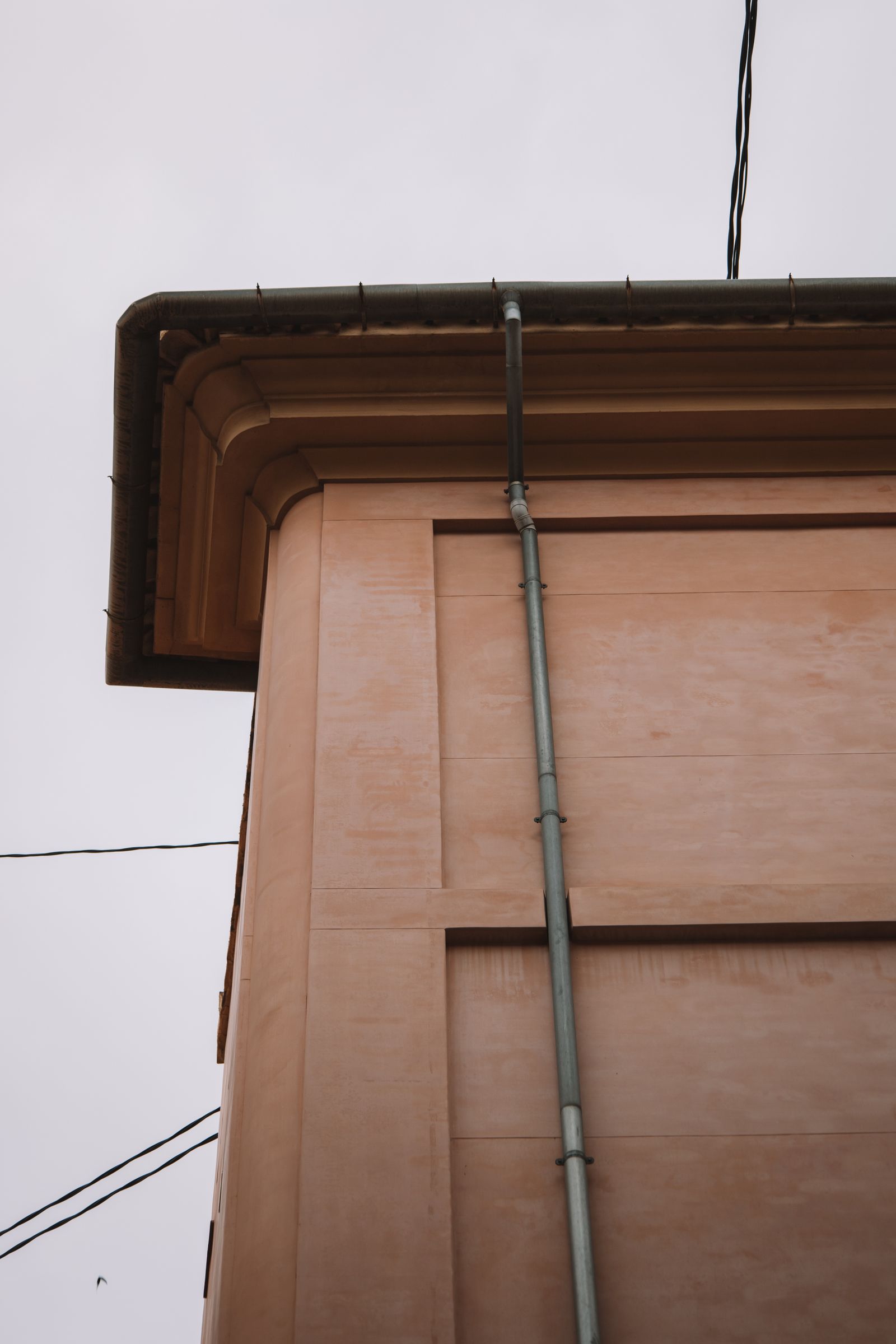
Proper rainwater management is key to protecting your Wood Green property from water damage. Guttering acts as the first line of defence by channeling rainwater away from the roof edges toward designated downpipes. However, when gutters are blocked, damaged, or misaligned, water can overflow or pool near the building's base, risking damp penetration and structural issues. It’s important to distinguish gutter issues from roof covering problems: a damaged roof may allow water ingress on its own, but faulty gutters exacerbate this by failing to remove runoff effectively. Regular inspection of gutter joints, hangers, and fall ensures water flows freely. Pay attention to how water behaves during rainfall–if it spills over or drips beneath gutters, this signals a flow restriction or a need for repair or realignment. Additionally, ensure that downpipes are clear and correctly positioned to avoid localized flooding. In some cases, upgrading gutter profiles or adding additional downpipes can improve drainage capacity, but such decisions depend on property age, roof pitch, and prevailing weather patterns in Wood Green.
02 / EXPLAINEDChoosing Materials for Durability and Style
Selecting the right materials is crucial for long-lasting roofline performance. PVC-u is widely preferred in Wood Green for its resistance to rot, insect damage and weathering, plus low upkeep needs. It also suits modern and many older property styles with neat, coloured finishes. Timber fascias can provide traditional charm, particularly for period homes, but require routine painting and inspections to avoid decay. Metal options such as aluminium or steel are less common but offer strength and longevity if properly maintained. Your choice should balance aesthetic preferences, maintenance willingness, and budget considerations.
Deciding on gutter repair versus full replacement requires careful evaluation of the guttering’s overall condition and longevity prospects. Spot repairs may address localized cracks, leaks, or joint separations, providing a cost-effective short-term solution. However, if multiple repair patches are needed or the gutter material shows advanced degradation like brittleness, warping, or corrosion, replacement becomes a more practical investment for sustained performance. Fascias and soffits closely relate to gutter functionality, as rotting fascia boards can compromise the secure fixing of gutters, leading to sagging or detachment during heavy rain. When fascia or soffits suffer decay or insect damage, replacing these ensures a solid substrate for gutter refitting and prevents moisture ingress to timber framing. Sometimes fascia renewal triggers gutter replacement to achieve a consistent finish and reliable attachment, but independent repairs are also possible. Raptor Roofing emphasises assessing the full roofline holistically to advise on optimal maintenance combinations in Wood Green.
03 / EXPLAINEDMaintaining Functionality through Cleaning and Repairs
Keeping gutters clear is central to effective rainwater drainage. Leaves, moss and debris build up and will block flow; regular manual clearance and flushing with a hose usually restores performance. When clearing, use safe access methods or hire a contractor—working at height without proper equipment is hazardous. Repairs commonly include sealing small leaks, refixing loose brackets, realigning runs to restore fall, and replacing rotten fascia boards that no longer support the gutter. Inspect soffits for peeling paint, water staining or blocked ventilation slots; trapped moisture in the eaves can lead to mould and timber decay if unaddressed. Replacing damaged soffit panels can combine restoring the seal at the eaves with reinstating ventilation where needed—vented PVC-u soffits are a common, low-maintenance option. Schedule inspections and cleaning at least once a year and consider timing work before autumn leaf fall to reduce debris build-up. For anything beyond basic clearance—such as heavy repairs, work on unstable timber or tasks requiring scaffolding—arrange a professional contractor to assess and carry out the work safely.