01 / EXPLAINEDThe Role of Gutters, Fascias and Soffits
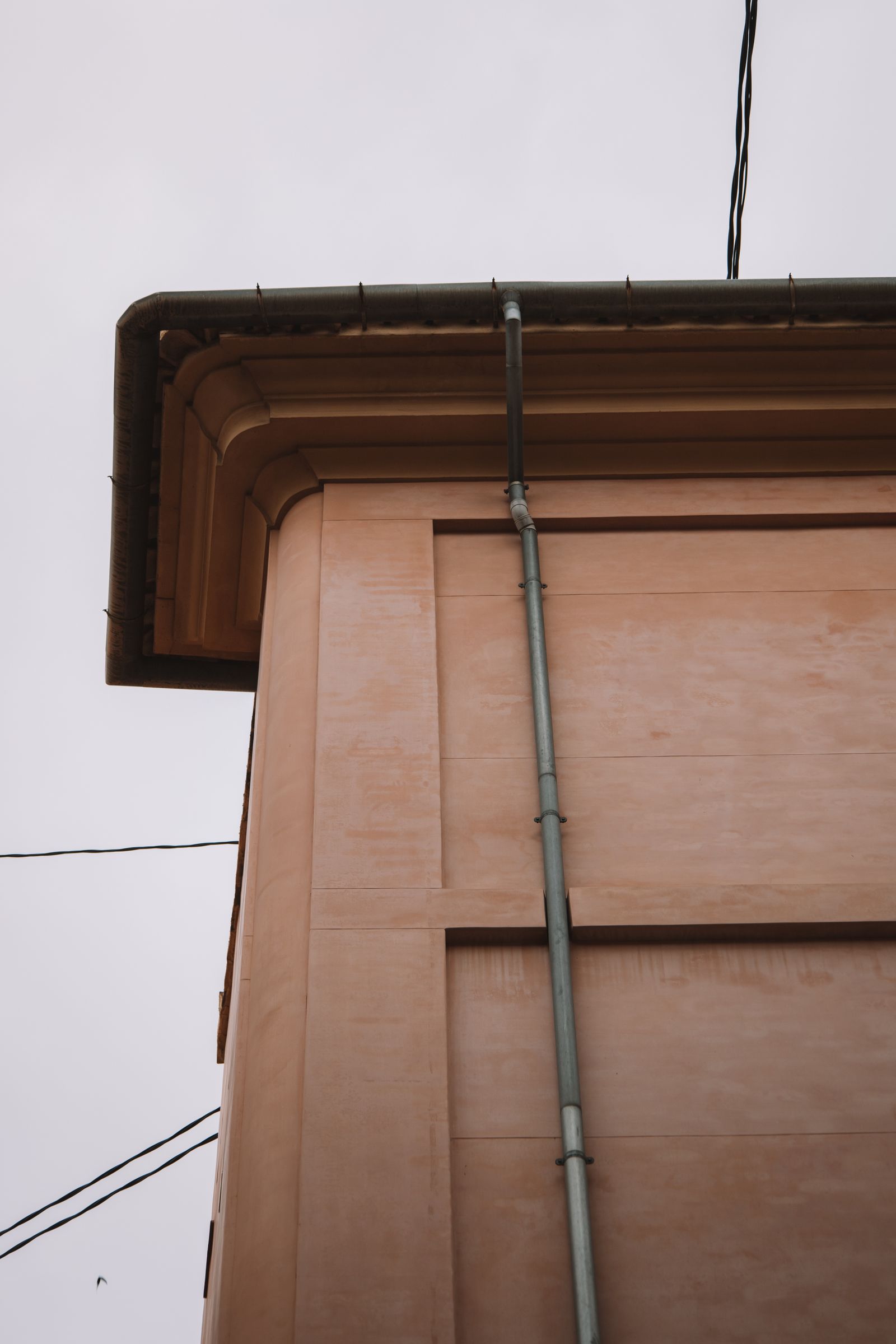
Guttering collects rainwater from the roof and directs it into downpipes, helping prevent water pooling near foundations. Fascias, typically vertical boards fixed under the roof edge, support gutters and shield the roof timbers from moisture. Soffits, fitted underneath the fascia and roof overhang, provide much-needed ventilation that helps avoid condensation buildup in roof spaces. Understanding the interplay between these parts clarifies why damage or blockage in one can affect the overall water management and health of your property.
A critical aspect of guttering maintenance involves ensuring unobstructed rainwater flow through the entire system—gutters, downpipes, and discharge points. Leaves, twigs, and debris commonly clog gutter channels, particularly after autumn, leading to blockages that cause water to overflow. This overflow can run behind gutters and onto walls or into soffits, potentially causing water ingress and timber decay. Regular clearing of gutters is essential, yet homeowners should also inspect the alignment and pitch of gutters, as incorrect slopes can hinder water flow even if gutters appear clean. Downpipes must remain free and clear; blockages here often go unnoticed until water pools in gutters, stressing brackets and fascia boards. It is important to differentiate gutter cleaning from roof covering maintenance; while roof repairs deal with tile or shingle integrity, gutters serve as the drainage pathway and require separate attention. For effective water management, gutters should be checked after storms and heavy winds to identify debris accumulation or damage. Failure to maintain clear and properly aligned gutters increases the risk of damage to fascias and soffits, as trapped or overflowing water can accelerate timber decay and mold growth in these integral components.
02 / EXPLAINEDSigns You May Need Repairs or Replacement
Watch for sagging or cracked gutters, peeling or swollen fascias, and warped or rotten soffits. Overflowing gutters during rain indicate blockages or misalignment. Water stains on walls or damp patches inside are signs that rainwater isn’t being effectively directed away. Regular inspections after storms or biannually can catch such issues early. Sometimes repairs will suffice, but if timber decay is extensive or multiple components fail, replacement may be necessary. Professional inspection helps ensure the right decision without unnecessary work.
When gutter blockages or damage are detected, deciding between repair and replacement involves weighing several factors. Small cracks, holes, or joint leaks can often be patched effectively, restoring gutter function without replacement costs. However, gutters heavily corroded, sagging due to rusted brackets, or with continuous joint failures may require full replacement to ensure reliable water diversion. Similarly, fascias and soffits may appear superficially sound yet conceal rot due to prolonged water exposure from faulty gutters. Identifying deterioration beneath paint or surface is crucial; this often calls for professional expertise to discern. Replacement of gutters does not automatically necessitate fascia or soffit replacement, but where wood decay is extensive, simultaneous repairs can prevent future issues and reduce overall disruption. A trade-off also exists between choosing traditional timber fascias needing regular maintenance and modern uPVC alternatives offering rot resistance but different aesthetics. Homeowners should consider the long-term maintenance effort versus upfront investment and how conditions in Barnet’s temperate but sometimes wet climate may influence material longevity.
03 / EXPLAINEDSelecting the Right Materials for Your Barnet Property
Popular materials for guttering include uPVC, timber and aluminium. uPVC is commonly used for its resistance to rot and low maintenance. Timber fascias and soffits provide traditional aesthetics preferred on older homes but demand regular upkeep, including painting and sealing. Aluminium offers strength and corrosion resistance but typically at a higher cost. Choosing your materials involves balancing appearance, durability, and maintenance demands. Local weather conditions in Barnet and surrounding areas rarely impose special requirements but considering material performance in wet climates remains important.
Fascias and soffits not only provide structural support for gutters but also protect roof timbers and contribute to effective roofspace ventilation. The condition of these elements directly affects the performance of your guttering system. Cracked, warped, or rotten soffits can block airflow, increasing condensation risks in loft areas, which may lead to damp and timber deterioration. Proper ventilation is a balance—overly sealed soffits restrict airflow, while poorly fitted components allow pest ingress and water damage. Repair or replacement decisions hinge on material condition and roof design: some older homes with exposed fascias may benefit from restoring traditional timber to preserve character, while others gain by upgrading to low-maintenance uPVC soffits and fascias that provide consistent ventilation slots. Careful installation ensures that ventilation gaps remain clear of debris and protected from water ingress. It’s important to recognise that fascia and soffit repairs do not substitute for gutter maintenance; even well-maintained fascias will suffer if gutters overflow or leak. Coordination between guttering and these components is vital for maintaining healthy rainwater systems and protecting overall roof structure integrity.