01 / EXPLAINEDIdentifying Common Problems
Gutters blocked by leaves and debris cause rainwater to spill over rather than being directed safely away. This overflow can erode mortar joints and stain brickwork, increasing deterioration risks. Fascias subject to moisture may rot or warp, compromising their ability to secure gutters properly. Missing or damaged soffits can allow pests and damp into roof spaces. Recognising sagging gutters, leaks, peeling paint, or warped timbers during visual checks—especially after storms—helps determine when professional intervention is necessary for maintenance or replacement.
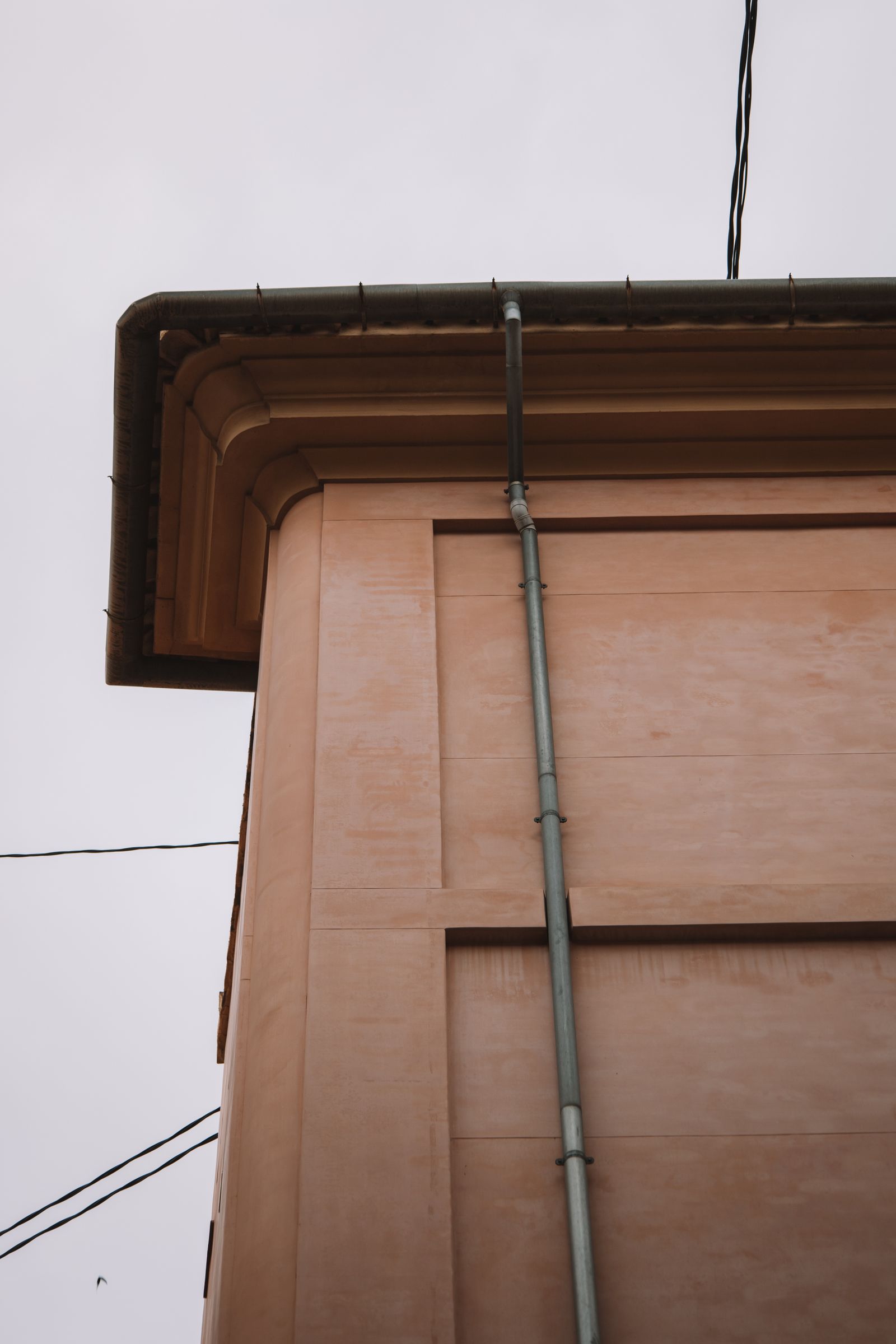
Effective rainwater management through guttering systems is vital to protect your property’s structural elements. When gutters are properly flowing, rainwater is channelled away from the roof and the building’s foundation, preventing water ingress and soil erosion. However, gutter blockages caused by debris accumulation disrupt this flow, resulting in water overflow that damages bricks, fascia boards, and landscaping below. It's important to discern gutter problems from issues related to the roof covering itself; while roof repairs address leaks or broken tiles, guttering faults focus on water drainage and disposal. Homeowners should monitor for signs such as water pooling beneath downspouts or staining along walls, which suggest compromised gutter flow. Given that minor gutter obstructions can escalate quickly after heavy rain, regular inspections provide an opportunity to identify early-stage blockages before significant damage occurs. Balancing preventive maintenance with budget constraints requires prioritising high-risk areas exposed to trees or frequent storms. Ultimately, maintaining clear and sound gutters acts as a first defence in safeguarding both the roof structure and the wider property from water-related damage.
02 / EXPLAINEDChoosing Materials Wisely
Timber fascias and soffits are traditional and blend well with many UK home styles but require regular painting and inspection due to susceptibility to rot. uPVC options are widely preferred for their low maintenance, resistive qualities to moisture and weather, and long-lasting performance. While metal gutters exist, they are less common for domestic Borehamwood properties. Understanding the benefits and upkeep demands of each material allows homeowners to select styles fitting both their aesthetic and practical requirements to complement the property’s roof and drainage needs.
Gutter repairs and replacements, though related, serve different practical needs within property maintenance. Repair work typically addresses localized faults such as cracked gutter joints, slipped brackets, or minor leaks, restoring function without wholesale component replacement. In contrast, gutter replacement involves removing the entire system and fitting new runs, often necessary when materials have significantly deteriorated, or designs become outdated. Choosing between repair and replacement demands understanding the extent of wear, materials used, and overall system health. Repairing older timber or metal gutters may be feasible in the short term but risks recurring issues from ongoing degradation or rust. Modern uPVC gutters offer advantages in longevity and resilience, but costs and compatibility with existing roof architecture influence this choice. It is important not to confuse gutter issues with roof covering problems; each requires tailored expertise. For instance, a leaking gutter may cause water to back up and affect soffits or fascias, but the roof tiles themselves may remain sound. Homeowners in Borehamwood should evaluate maintenance costs alongside long-term reliability to make informed decisions about gutter servicing.
03 / EXPLAINEDMaintenance Frequency and Considerations
Frequency of gutter cleaning depends largely on nearby tree density and seasonal leaf fall, with inspections advised at least once or twice per year. Heavier autumnal leaf fall or stormy periods may necessitate extra checks. Fascias and soffits require periodic examination for paint condition, timber softness or damage. Access to gutters can pose challenges, especially on multi-storey homes or roofs with complex layouts, so professional assessments consider safety and practical methods for repairs or replacement. Budget and disruption considerations should be balanced with the importance of timely maintenance to avoid costly damage.
Fascias and soffits serve critical roles beyond aesthetics, protecting roof edges and maintaining ventilation in roof spaces. Assessing their condition involves looking for rot, sagging, or paint deterioration, which often indicate underlying moisture problems frequently connected to gutter performance. Gutters that overflow or leak encourage water penetration behind fascias, accelerating timber decay and compromising soffit boarding. While fascias and soffits can sometimes be repaired in sections, extensive damage may necessitate replacement to ensure structural integrity. Additionally, ventilation through soffit vents helps control humidity and prevents condensation build-up in loft spaces, so blocked or missing soffits present risks unrelated to guttering alone. Distinguishing these functional differences is key when commissioning repairs. Homeowners should be aware that faulty fascia boards or soffits may require more complex work than gutter repairs, potentially involving roof edge resealing or boarding replacement. Regular inspection during gutter maintenance visits can identify emerging fascia or soffit issues early, reducing the risk of costly downstream repairs and preserving overall roof health.