01 / EXPLAINEDThe Role of Gutters, Fascias and Soffits
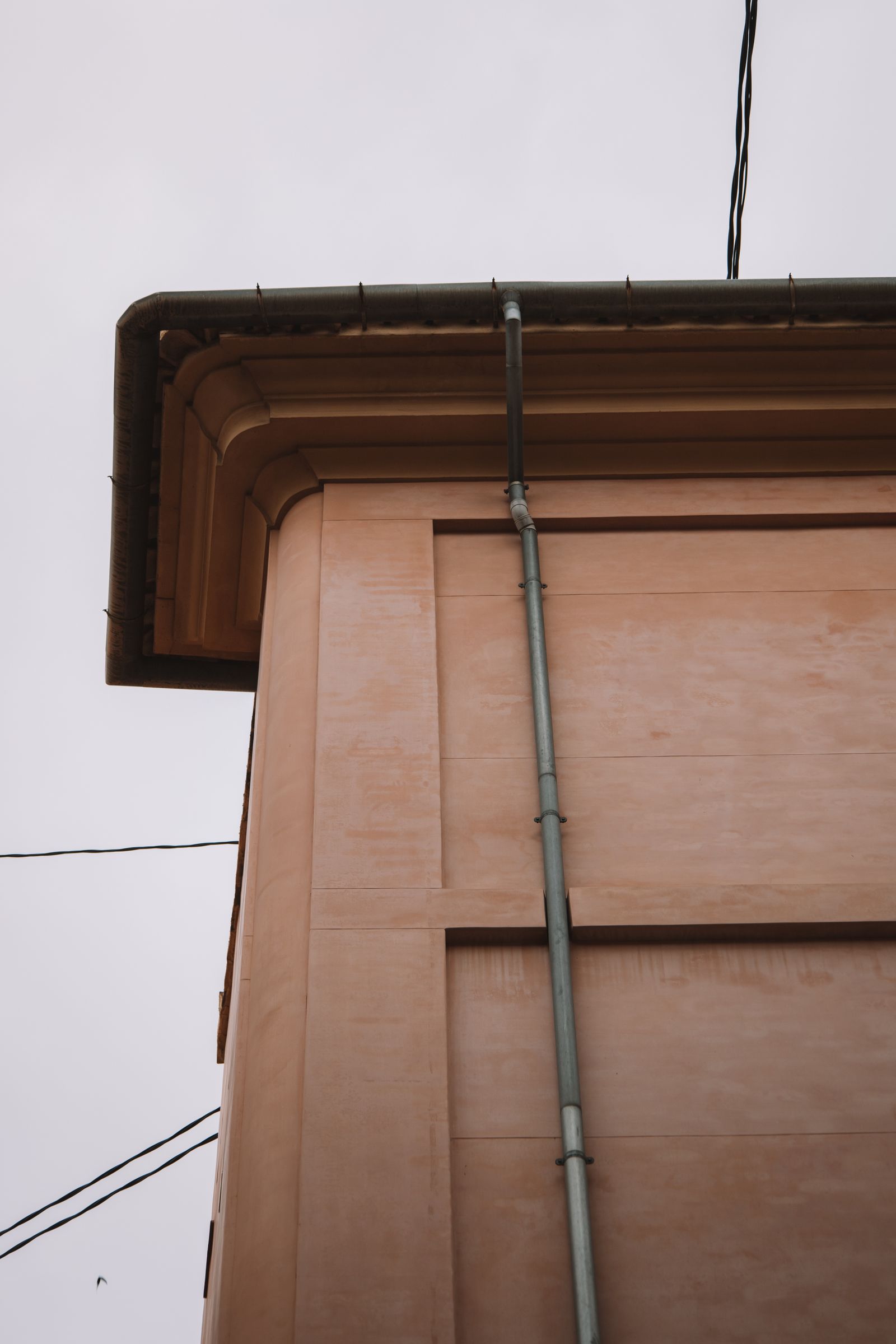
Guttering channels rainfall from your roof into downpipes and away from walls and foundations, helping prevent damp and soil erosion. Fascias hold gutters firmly in place while giving a neat roofline finish. Soffits cover the underside of the eaves and often have vents that help air circulate in roof spaces, reducing moisture buildup. Together, these components form a system that protects external walls, prevents water from causing damage around your property’s base, and helps avoid dampness inside. Blocked gutters cause water to overflow, damaging fascia boards and walls. Rotten fascia compromises gutter support, risking sagging or detachment. Damaged soffits reduce ventilation, increasing mold risks. Regular checks on rainwater flow and component condition help you catch problems early, keeping your home sound.
Effective rainwater flow management requires clear gutters free from debris like leaves, twigs and moss, which can cause blockages leading to water overflowing. Such overflow doesn’t just risk staining walls; persistent water can damage fascia boards by soaking the timber, which supports gutter brackets. When gutters are blocked, water may pool rather than drain properly, increasing pressure on joints and fasteners which can cause gutter sagging or detachment. Regular maintenance checks, particularly after heavy rain or autumn leaf fall common in Basildon, enable early detection of these issues. Additionally, gutters work in tandem with downpipes to channel water safely away from building foundations, so ensuring both components are unobstructed and securely attached is vital to avoid structural dampness or soil erosion around your property. While gutter repair or replacement addresses these drainage risks, it is important to note this work remains distinct from roof covering repairs, which focus on the tiles or slates themselves rather than the water collection system.
When deciding between gutter repair and replacement, consider the extent and location of damage. Minor blockages or isolated cracks might only require targeted repairs such as clearing debris or resealing joints. However, persistent sagging often indicates compromised fascia boards or worn gutter segments that no longer support proper alignment; in these cases, replacement is more effective. Checking fascia and soffit conditions is equally important: rotting fascia can weaken the entire gutter system’s stability, making repairs short-lived. Damaged soffits impair air circulation under the eaves, potentially increasing moisture-related issues inside roof spaces. Replacing these elements may involve additional expense but helps maintain long-term drainage effectiveness. Regular professional inspections in Basildon, particularly after seasonal weather changes, can clarify when patchwork maintenance suffices or full system replacement is advisable, allowing for informed trade-offs between immediate costs and durability.
02 / EXPLAINEDIdentifying When Repair or Replacement Is Needed
Keep an eye out for gutters that sag or leak, and fascia boards showing cracks, peeling paint or rot. Soffits can also be damaged or missing. Signs like water staining on walls or foundations often point to blocked or overflowing gutters. Fascias damaged by rot are usually best replaced to keep guttering firmly supported. Soffit issues like warping can reduce air circulation under the roof and let pests in. Checking after storms or leaf fall helps catch problems early. Whether to repair or replace depends on how severe the damage is and the condition of materials. A professional view helps find the most reliable and cost-effective fix for your home.
03 / EXPLAINEDMaterials and Maintenance Tips
Common gutter materials include uPVC and metals like aluminium or steel. uPVC is affordable and resists rust but can become brittle with age. Metal gutters last longer and suit specific styles but need upkeep to avoid corrosion. Fascias and soffits are often uPVC for low maintenance or timber for a traditional look, which requires regular painting to prevent rot. Keeping gutters clear through twice-yearly cleanings prevents blockages that cause overflow and damage. Check fascias and soffits for cracks, peeling paint, or softness which may signal decay. Addressing small issues like loose gutters early preserves system function and protects your home from water-related damage.