RAPTOR ROOFING & CONSTRUCTION LTD

Roof Repairs in Barnet — Raptor Roofing

Water getting in through the roof risks internal damage; acting early limits that harm and keeps repair costs down. We locate leaks, reseat slipped tiles and repair faulty flashings so rain stays out and timbers remain dry. Where a repair touches gutters, pointing or joinery we coordinate those trades so the work is durable. Send photos and your postcode and we’ll suggest the next step.

Roof Repairs BarnetHERTFORDSHIRE / ESSEX / LONDON

AN INTRODUCTION / 02

Comprehensive Roof Repairs Barnet

Spotting a leak or missing tiles is the moment to get a clear plan for repair, not guesswork.

Noticed damp patches, water stains or loose tiles? We begin by locating the source and assessing what must be fixed to restore a watertight roof. That may involve replacing tiles or slates, repairing or renewing flashings, clearing and repairing gutters, or arranging small amounts of masonry or carpentry where required. We explain the options, what each repair involves and what information you should have to receive an accurate recommendation and a written scope before work begins.

EXPLORE THE OPTIONS

OUR SERVICES / 02

Our Key Roof Repair Services

Selecting the right service depends on the immediate problem — stopping active leaks, tile replacement, emergency stabilisation or flashing work. Tell us what you’ve seen and we’ll outline practical repair approaches and any follow-on trades that may be needed.

01 / 06ROOF REPAIRS & EMERGENCY ROOFING

General Roof Repairs

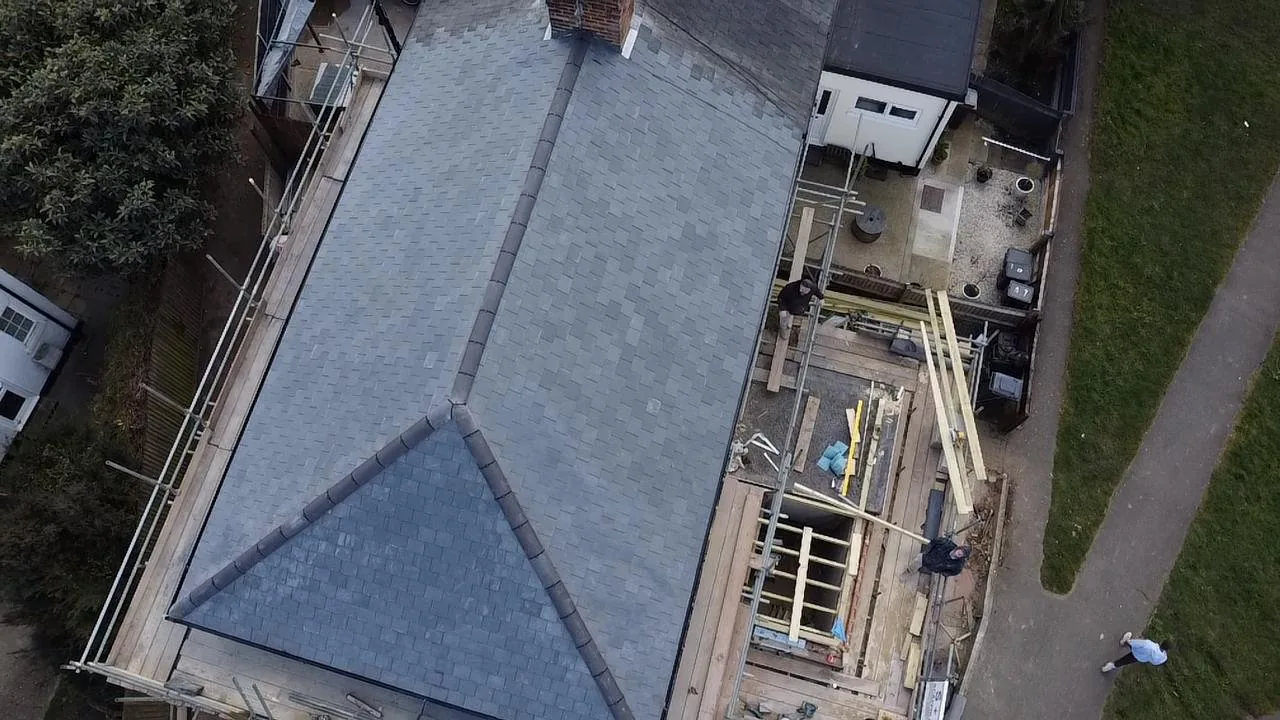
Scattered defects — slipped or broken tiles, small leaks or worn areas — are treated with targeted repairs to restore the roof’s weatherproof layer. We identify the likely cause, then replace or secure tiles, repair membrane laps and renew any damaged battens or fixings found during the work. Where nearby brickwork or timber is affected we coordinate minor masonry or carpentry so the repair holds.

ENQUIRE ABOUT THIS SERVICE
02 / 06ROOF REPAIRS & EMERGENCY ROOFING

Emergency Roof Repairs

Following storm damage or sudden failure we stabilise the affected area to prevent further water ingress. Temporary waterproofing, resecuring displaced coverings and arranging safe access come first so your home is protected. After stabilisation we outline permanent repair options and any linked works — for example failing gutters or damaged verge boards — so you can decide the next step.

ENQUIRE ABOUT THIS SERVICE
03 / 06ROOF REPAIRS & EMERGENCY ROOFING

Leaking Roof Repairs

With active leaks we prioritise locating the entry point and fixing the route water takes into the building. That often means inspecting the loft, checking flashings and pipe penetrations, and searching for displaced tiles or underlay failures. Repairs concentrate on re-establishing a continuous waterproof layer and, where necessary, replacing the small sections of underlay or timbers that compromise the fix.

ENQUIRE ABOUT THIS SERVICE
04 / 06ROOF REPAIRS & EMERGENCY ROOFING

Storm Damage Repairs

When tiles are missing, ridge work loosened or flashing bent after strong winds we assess the full extent of visible and likely hidden damage. Repairs include replacing or resecuring coverings, resetting ridge tiles and renewing compromised flashings and fixings. We also check gutters and fascias for impact damage and can arrange the necessary joinery or masonry work to make the roof whole again.

ENQUIRE ABOUT THIS SERVICE
05 / 06ROOF REPAIRS & EMERGENCY ROOFING

Roof Tile & Slate Repairs

Where cracked, slipped or missing tiles and slates leave your roof exposed we replace or reposition individual elements and reseal surrounding pieces to restore waterproofing. If exact matches aren’t available we discuss durable alternatives that blend with the roof. Work includes securing battens and nails so replaced tiles sit correctly and resist wind and rain.

ENQUIRE ABOUT THIS SERVICE
06 / 06ROOF REPAIRS & EMERGENCY ROOFING

Roof Flashing Repairs

At junctions where water tracks — chimneys, hips, valleys or abutments — we repair or replace metal flashing to restore the seal. That may involve re-bedding chimney flashings, dressing sheet metal at abutments or renewing leadwork where appropriate, and ensuring adjacent tiles and mortar joints work with the new flashing so the whole junction is watertight.

ENQUIRE ABOUT THIS SERVICE

ROOF REPAIRS / VISUAL REFERENCE

A closer look at what goes into roof repairs.

Roof coverings, materials and surrounding details can all influence the scope of a repair. Here are a few general roofing references to accompany this guide.

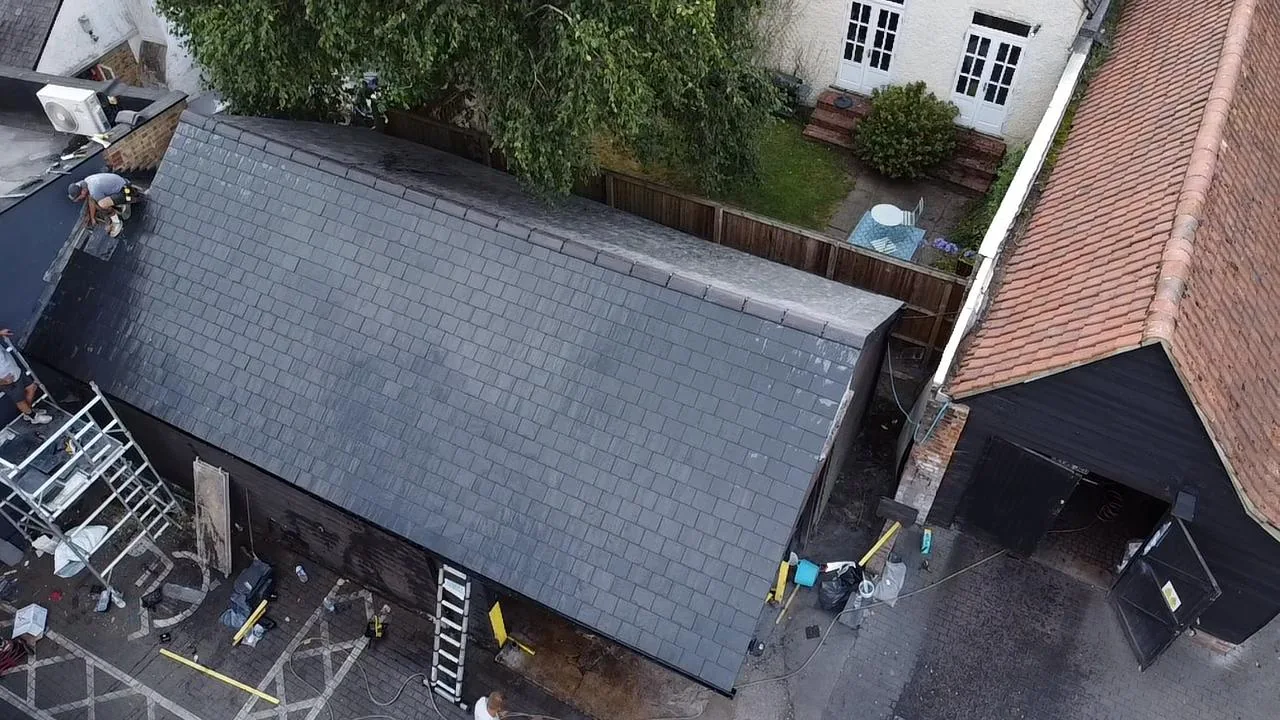
Illustrative close-up photograph of roofing details
Understanding the roofROOF DETAILS
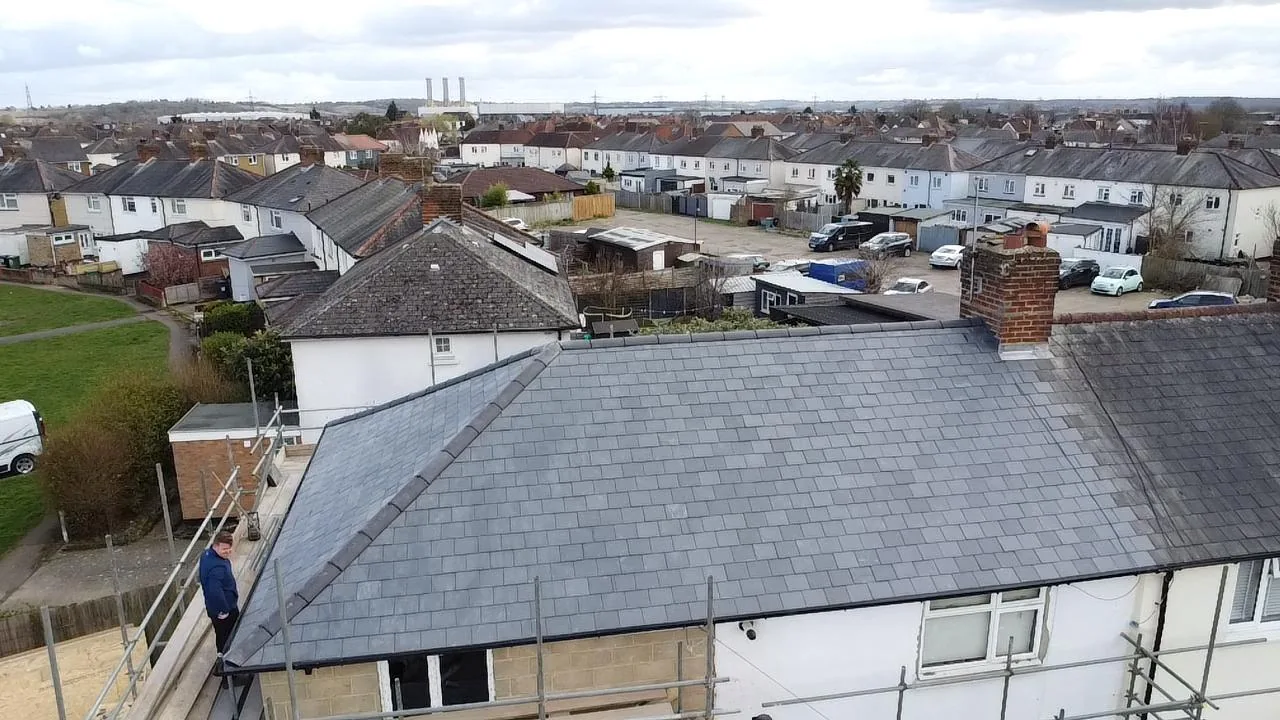
Illustrative photograph of roof structure
Materials and structureROOF STRUCTURE
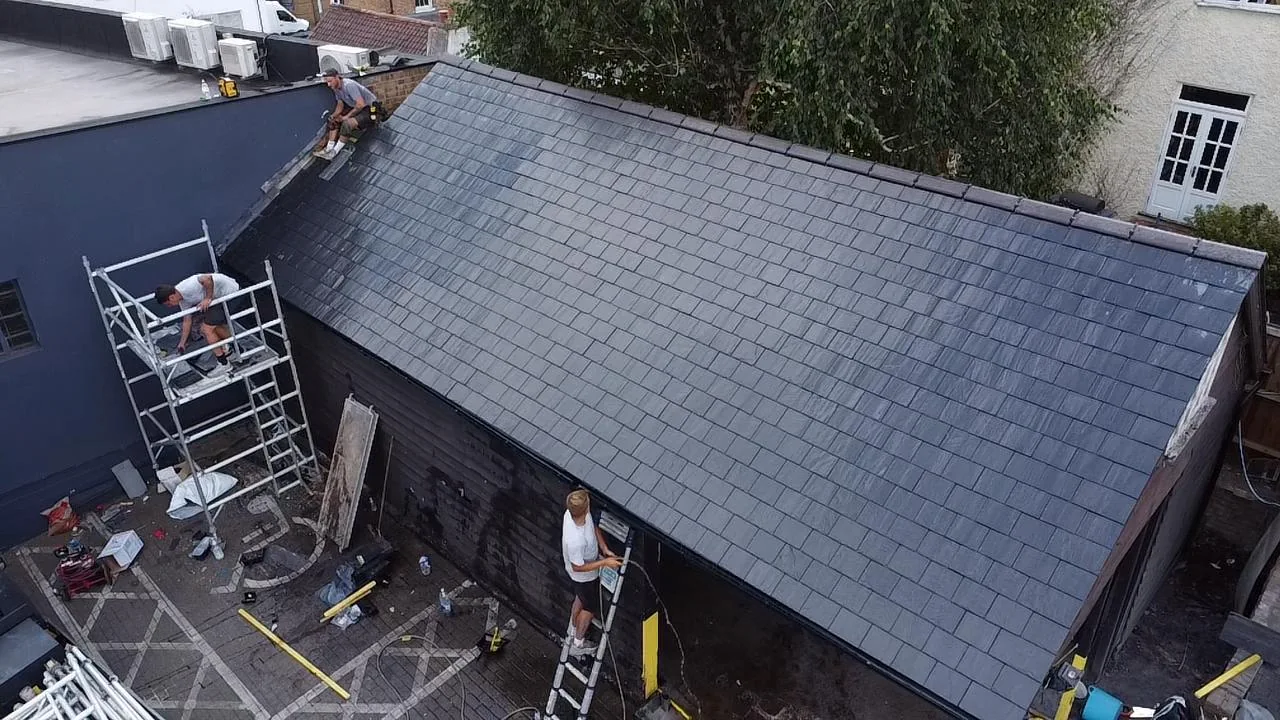
Illustrative photograph of roofing work in progress
The wider roof pictureWORK IN PROGRESS

Illustrative roofing photographs. They do not show or imply projects completed by Raptor in Barnet.

OUR PROCESS / FOUR STAGES

How We Approach Roof Repairs

Contacting us about a defect starts a structured process: inspection, a clear repair plan, careful execution and a final check. That approach helps avoid unnecessary work and ensures repairs address the true cause, not just the visible symptom.

  1. STAGE / 0101 — 04
    01

    Inspection and Assessment

    A visual survey from the ground, a safe loft check and a close inspection of gutters and junctions are the first steps when you’ve seen water stains or missing tiles. We note visible damage, likely causes and any access constraints so the repair plan is realistic and accounts for hidden problems that often accompany the obvious defect.

  2. STAGE / 0202 — 04
    02

    Planning Repairs

    Next, if the inspection reveals defects we prepare a practical plan that lists the recommended repairs, materials and any additional trades required — for example minor pointing or timber repair. The plan sets out what the work will include and exclude so you understand the scope and cost factors before agreeing to proceed.

  3. STAGE / 0303 — 04
    03

    Carrying Out Repairs

    Once you approve the plan we carry out the repairs using appropriate materials and safe access methods. Work can include replacing tiles, renewing flashings, patching membranes or coordinating small masonry or carpentry tasks needed to make the repair durable, and we manage on-site safety while protecting surrounding areas.

  4. STAGE / 0404 — 04
    04

    Final Inspection and Clean-up

    Final checks follow completion to ensure the defect has been resolved and adjacent areas are secure. We clear debris, inspect gutters and downpipes and confirm roof junctions are watertight, then provide a written summary of the work done and any follow-up observations to help plan future maintenance.

WHY CHOOSE RAPTOR / WHAT MATTERS

Why Choose Professional Roof Repairs?

Choose repairs that tackle root causes, use appropriate materials and follow safe methods so the work stops leaks and protects the structure. Repairs carried out correctly reduce the chance of repeat problems and make future maintenance simpler.

01

Detecting Hidden Defects

Hidden faults often sit behind limited outward signs: degraded underlay, corroded fixings or decayed timber can cause recurring leaks. We inspect loft spaces and roof junctions to find those less obvious issues so repairs address the cause rather than repeatedly patching symptoms.

02

Using Suitable Materials

Using mismatched or temporary materials shortens a repair’s life. We select tiles, slates and flashing materials that suit the roof’s condition and explain any visual compromises. Choosing durable, compatible materials reduces the risk of repeat work and helps keep repair costs predictable.

03

Safe, Controlled Work at Height

Safety when working with ladders, scaffold or fragile coverings protects people and property. We plan safe access and protect gutters, fascias and gardens while work proceeds so repairs are completed without unnecessary risk or accidental damage.

INSIGHT / Roof Repairs in Barnet

Essentials of Roof Repair What Barnet Homeowners Should Know

Discovering damp or missing tiles calls for prompt, measured action to limit damage. Check key areas, understand the repair process and prepare a short list of questions to ask before agreeing work.

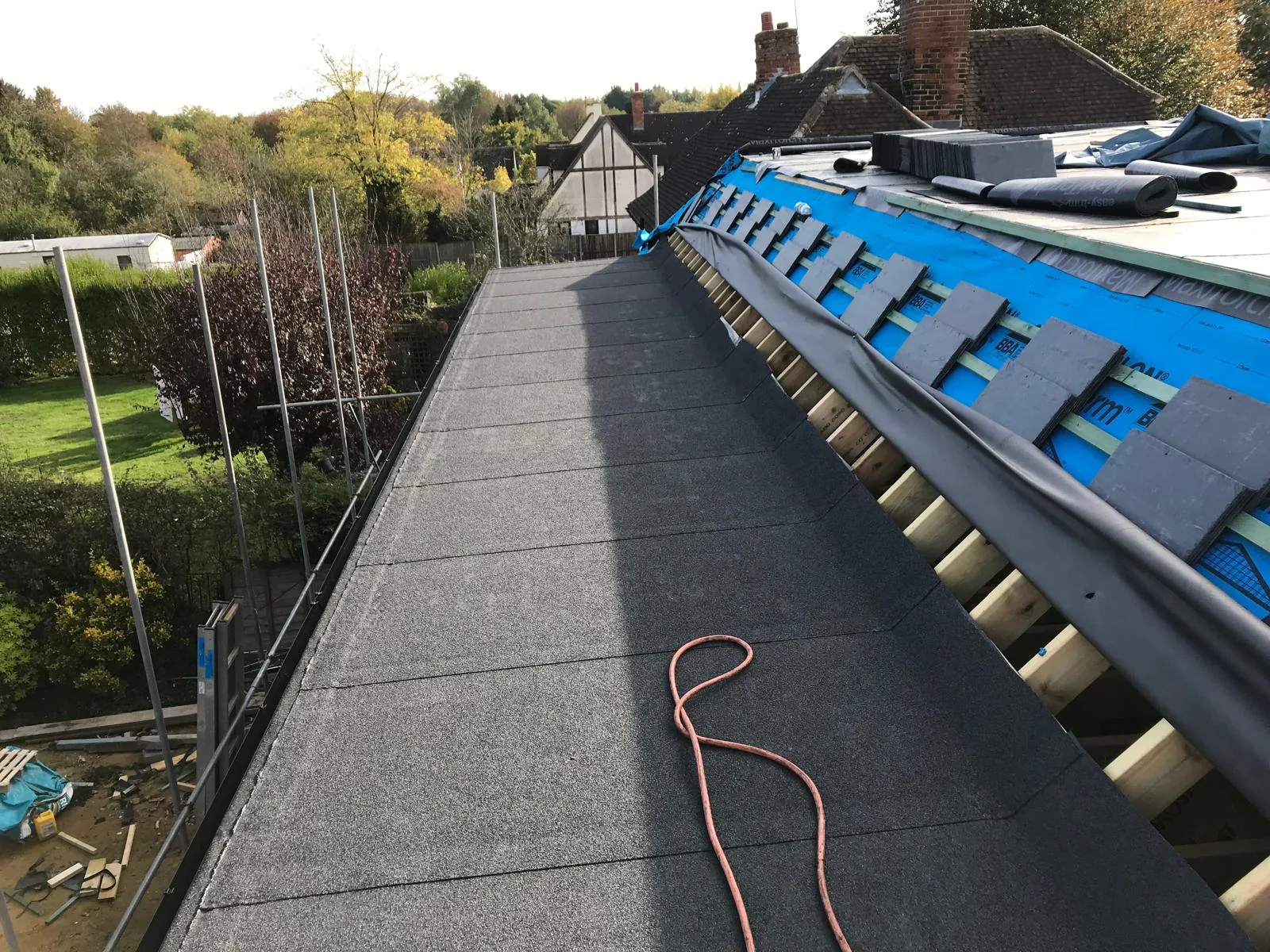
Illustrative photograph of slate roof coverings ROOF COVERINGS / PHOTO REFERENCE General roofing reference image — not a verified Barnet project.
01 / EXPLAINED

Recognising Roof Damage Signs

Noticing damp patches, ceiling stains or new mould in top-floor rooms suggests a potential roof leak rather than merely cosmetic damp. Begin by inspecting gutters and downpipes from the ground for blockages or sagging that could drive water back under tiles. In the loft look for concentrated damp spots, darkened timbers or wet insulation; photograph cracked or displaced tiles and any exposed underlay so a roofer can see the pattern. Don’t assume moss alone is the cause — leaks often occur at junctions: chimneys, dormers and abutments. If a gutter is leaking into the soffit you may see rot at the eaves. For safety, avoid climbing onto the roof yourself if access is awkward or tiles are brittle; gather clear photos from the ground and loft access and share them so we can advise whether a close inspection or temporary protection is needed.

02 / EXPLAINED

Understanding Different Repair Types

Addressing a broken or slipped tile may simply mean replacing that tile and checking surrounding fixings, but where multiple tiles are aged or underlay is compromised patching can be short-term. Flashing issues need careful attention because small separations at chimneys or abutments allow water in; repairs often involve reseating and dressing metalwork and checking adjacent mortar. For flat roofs, local membrane repairs can stop leaks, but failing seams or ponding areas need correct profiling to prevent recurrence. Emergency repairs aim to make the roof weathertight quickly using temporary coverings and local works so internal damage is minimised while permanent options are planned. Decide on repairs by balancing the defect’s scope, long-term roof condition and budget.

03 / EXPLAINED

Preparing for Your Roof Repair Project

Preparing for a contractor visit means collecting recent photos, noting which loft areas are accessible and listing any prior roof interventions you know about. Clear access around the house where possible — move vehicles and garden furniture — and identify the safest place for ladders or scaffold. Ask the roofer in advance whether scaffold will be needed as that affects planning and quotes. During the survey expect the inspector to check gutters, fascias, flashings and internal timbers and to note any follow-on trades required. Before work starts agree a written scope that lists what will be repaired, which materials will be used and which items are excluded so you can compare quotes fairly, and allow for some dust, noise and temporary access restrictions while repairs proceed.

AREAS WE SERVE

Barnet and Nearby Areas Covered

Living in Barnet or nearby? We cover Barnet and the North London fringe, including Whetstone, Finchley, Cockfosters and Potters Bar. Send your postcode and photos and we’ll advise on the best next step.

DISCUSS YOUR LOCATION
01 / COUNTYHertfordshire
02 / COUNTYEssex
03 / REGIONLondon

START THE CONVERSATION

Tell us about the job and we will take a look

Send us a few photographs and your postcode using the form, or give us a call. We will come back to you, arrange a survey where one is needed, and set out in writing what we recommend and why before any work is agreed.

REPAIRS / ENQUIRY DETAILS01 — 05

Tell us about your project.

Send your project details to Raptor using the form below.

Your enquiry will be sent securely through this website.

QUESTIONS / ROOF REPAIRS & EMERGENCY ROOFING

Roof Repair FAQs

Deciding whether to book a visit? These answers explain the practical risks, access considerations and what to expect when arranging roof repairs in Barnet.

ASK ANOTHER QUESTION
01How do I know if my roof needs repair?

Spotting water stains on ceilings, damp in the loft, missing or cracked tiles, or persistent mould after rain should prompt an assessment. Check gutters for blockages and flashings for separations; those commonly show as internal damp even when external damage looks minor. Send photos and a description of when the problem occurs to help prioritise an inspection.

02Can I carry out roof repairs myself?

Attempting a single-tile replacement may suit some competent DIYers, but work at height, fragile tiles and junction repairs carry safety and performance risks. If access is awkward or the cause of a leak is unclear, instruct a roofer so the repair reliably stops water ingress and avoids accidental damage to adjacent elements.

03Will an inspection show the exact leak source?

Tracing active leaks often starts with loft checks and close inspection of flashings and tiles because water can travel before showing internally. Where the route isn’t obvious we may recommend monitoring during rainfall or a targeted, more detailed check. Photographs and descriptions of where and when leaks appear help narrow the search.

04Do repairs include fixing gutters and fascias?

Blocked or damaged gutters frequently contribute to leaks; we’ll identify that and can arrange gutter cleaning or repair alongside the roofworks. We coordinate minor joinery where fascias or soffits are affected so the overall repair is effective, and we’ll note any separate trades needed in the written scope.

05How should I prepare for a roof survey?

Before an inspection clear driveways and access routes, take photographs of visible damage from the ground and check whether loft access is available and safe. Tell us about recent storms and where you see interior damp. That information speeds assessment and helps decide if temporary protection is needed before permanent repairs.

06Is storm damage urgent to repair?

After storm damage leaves tiles missing or flashings exposed act promptly to prevent rain entering the structure; emergency stabilisation can limit internal harm. Send photos and note any obvious displaced tiles or sagging sections so we can advise whether temporary coverings or an urgent inspection are appropriate.