01 / EXPLAINEDGuttering: The First Line of Defence
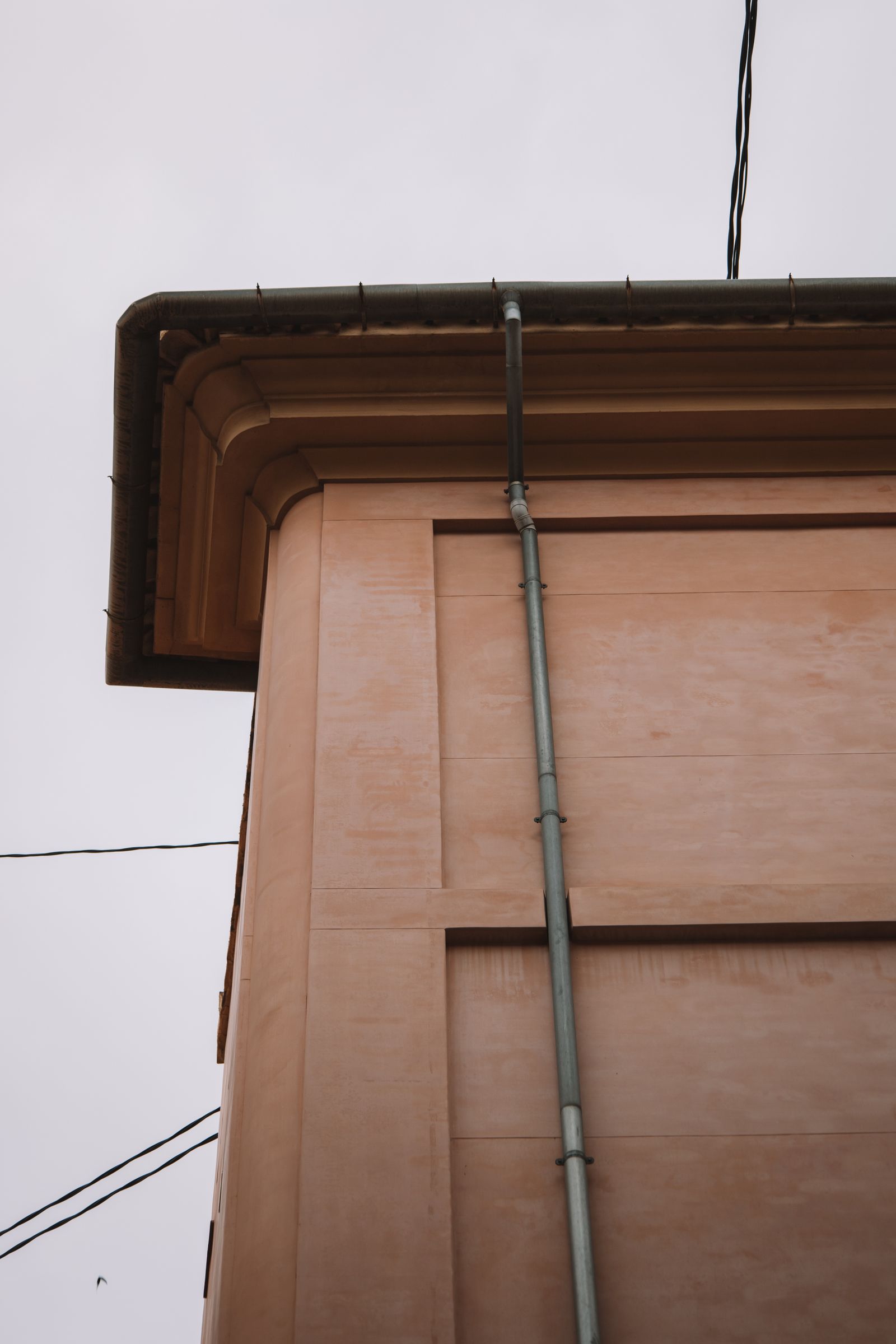
Gutters collect rainwater from the roof and channel it to downpipes, which carry it away from building foundations. Without correct operation, water can overflow or seep into walls causing damp and structural issues. Blockages from leaves and moss are common causes of gutter overflow, leading to water spilling down walls, damaging paintwork, bricks and timbers. Regular inspection and cleaning keep water flowing freely. Gutters also depend on firm fascia supports; weakened fascias can cause gutters to sag or detach, exacerbating drainage problems. Selecting gutter materials depends on property style and budget; uPVC is common for its affordability and corrosion resistance, whereas cast iron gutters suit traditional homes but need more care.
In managing guttering systems, understanding rainwater flow patterns is crucial for effective maintenance and avoiding costly damages. Gutters must be correctly sloped towards downpipes, allowing water to drain efficiently away from your home's foundation. Improperly aligned gutters can cause standing water, increasing the risk of overflow during heavy rain, which damages walls and foundations. Homeowners should confirm that gutters have a consistent fall—typically around 1:250—to promote drainage without pooling. Additionally, design features like internal gutters or complex roof junctions can complicate water flow, necessitating tailored solutions. Blockages often form at downpipe inlets where debris accumulates, so these areas require special attention during inspections. While gutter cleaning substantially reduces blockages, the method and frequency depend on surrounding factors such as nearby trees, local leaf-fall patterns, and seasonal weather. Regular monitoring especially after storms helps catch early signs of water backing up. Importantly, guttering repairs or replacements should be distinguished from roof covering maintenance; gutters control water leaving the roof but do not address leaks through roofing materials themselves. Clear separation of these service scopes ensures appropriate materials and specialist skills are applied efficiently.
02 / EXPLAINEDFascias and Soffits: Protecting and Ventilating
Fascia boards run along the roof edge and secure the guttering system, shielding the roof’s edge timbers from weather. Soffits fit under the overhang, often perforated to allow airflow. Proper ventilation reduces condensation in roof spaces, preventing mold and decay. Damage to fascia boards allows water ingress behind gutters, risking rot to the roof’s structural timbers. Soffit damage can let in pests and diminish airflow, causing damp. Materials include timber, favoured for period properties but needing maintenance, or low-maintenance uPVC which resists rot and peeling. Repairs often replace only damaged sections, but extensive wear may require full replacement for lasting protection.
Gutter blockages are a common source of water damage but deciding whether to repair or replace affected components involves balancing cost, longevity, and functionality. Minor blockages can often be cleared by professional cleaning, where power flushing or hand clearing removes leaves and debris. However, repeated blockages might indicate deeper issues such as poorly pitched gutters, damaged or missing gutter guards, or degraded sealants causing debris entrapment. Cracks, splits, or corrosion in gutters impede flow and increase blockage risks, supporting the case for replacement rather than patch repairs. When considering repair, fascia and soffit conditions must also be factored in; deteriorated fascia boards may no longer support gutters securely, resulting in sagging or detachment that disrupts water flow. Conversely, full gutter replacement offers a chance to upgrade systems to modern profiles with better debris resistance and improved durability, but this can be more expensive upfront and involve scaffolding or prolonged work periods. Decisions are further influenced by gutter material compatibility with existing fascia and soffits, as well as the feasibility of matching property aesthetics. Professional evaluation helps weigh these trade-offs objectively, providing maintenance plans aligned to budget and anticipated lifespan.
03 / EXPLAINEDCommon Challenges and Best Practices
Properties in Waltham Abbey vary in age and construction, influencing guttering and boarding conditions. Especially near trees, gutters fill quickly with debris necessitating more frequent cleaning. After severe weather, checking for loosened fittings or board damage is wise. Attempts to DIY repairs may risk improper sealing or fitting, potentially worsening leaks. Safe access for inspection and maintenance is important; professional contractors use the right equipment and comply with safety norms. Homeowners should keep records of maintenance visits and note recurring blockages or leaks to inform prospective repairs. A clear professional quotation outlining work scope and materials avoids surprises. Regular upkeep is the most effective way to prolong the lifespan of your rainwater and boarding systems.
The health of fascias and soffits greatly affects overall rainwater management, yet their condition is sometimes overlooked in gutter servicing. Fascias provide critical structural support for gutters, so signs of fascia damage—such as peeling paint, rot, or swelling—must be investigated promptly. Failure to address fascia problems can result in gutter misalignment or collapse, escalating water ingress into roof timbers or wall cavities. Soffits contribute to roof ventilation, helping prevent condensation and timber decay, but damaged soffits with holes or detachment compromise airflow and invite pests. Repairs or replacements should ideally be undertaken concurrently with gutter work to ensure coordinated integrity and weather protection. Material choice impacts maintenance needs; nailed timber fascias require periodic repainting and inspection for rot, while uPVC options promise lower upkeep but might be less sympathetic with older home styles. Installation quality is equally vital—poorly fixed boards or insufficient ventilation holes in soffits can undermine effectiveness. In some cases, partial boarding repairs suffice, but extensive wear or persistent moisture issues may call for full replacement to safeguard structural elements beneath. Close inspection by qualified contractors helps determine the right level of intervention.