01 / EXPLAINEDIdentifying When Gutter Cleaning Is Needed
Gutter cleaning is often overlooked until visible problems arise, but recognising early warning signs can save money and hassle. Common indicators include water spilling over the edges during rainfall, visibly clogged gutters with plant growth, or strange dripping sounds inside the property. Regularly checking gutters after windy or leafy seasons prevents blockages that cause water backflow damaging walls and foundations. Some homes, particularly those near trees, may require multiple cleanings a year. While DIY cleaning is possible, safely reaching gutters with ladders and spotting subtle issues requires caution and experience. Professional cleaning includes comprehensive debris removal and an inspection to identify hidden concerns, ensuring gutters function correctly to protect your home.
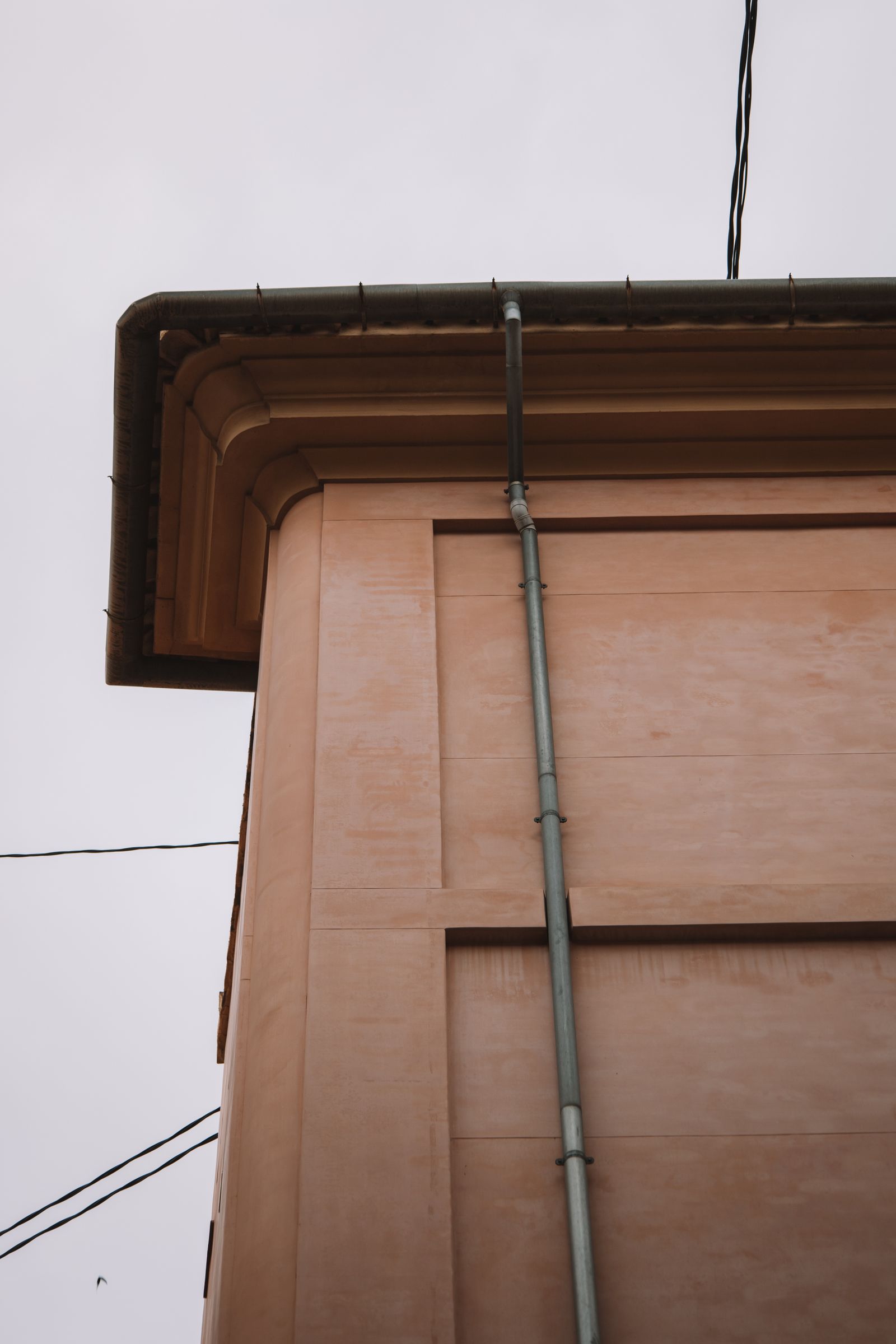
Proper rainwater flow management is essential for maintaining your home’s structural integrity and preventing costly damage. Guttering systems are designed primarily to channel rainwater away from the roof and foundation, but blockages or damage can disrupt this flow, causing overflow and possible water ingress. It’s important to distinguish the role of guttering from roof covering repairs; gutters handle runoff after it leaves the roof surface, while roof covering protects the building from direct weather. A blocked or damaged gutter can result in water spilling over and running down walls, leading to staining, damp patches, and eventual brickwork damage. In areas with high foliage like Finchley, regular inspection after autumn leaf fall is especially crucial. Rainwater flow can also be affected by poorly pitched gutters or undersized systems; correcting these issues often involves gutter realignment or upsizing rather than roof repairs. Recognising these distinctions helps homeowners prioritise interventions correctly, avoiding unnecessary roof work when the gutter system is the true bottleneck to proper drainage.
02 / EXPLAINEDAssessing Fascia and Soffit Condition
Fascias and soffits are vulnerable to moisture exposure, which can lead to wood rot or warped panels. Fascias support gutters and conceal roof edges, while soffits protect the eaves and allow ventilation. Signs of damage include flaking paint, soft spots, sagging boards, gaps exposing rafters, or pest entry. If left unaddressed, deterioration compromises water drainage and can lead to internal roof damage. Regular inspections—ideally at least yearly—help spot issues early. Decisions between repair and replacement depend on extent of damage, material type, and cost-effectiveness. Timely intervention maintains the roofline seal, prevents water ingress, and supports guttering functionality.
Gutter blockages are not limited to leaves and twigs; other debris such as moss, seeds, and sometimes silt can accumulate over time, gradually restricting water passage. This can lead to standing water, increasing the potential for gutter material to degrade faster due to prolonged moisture exposure. Clear gutters reduce the risk of water overflowing and damaging fascia boards directly under the gutters, which support the guttering itself. If fascia or soffits are already compromised, blocked gutters worsen the problem by increasing moisture retention and encouraging wood rot or fungal growth. Gutter blockages also increase the weight load, potentially leading to sagging or detachment. Effective gutter maintenance requires identifying the types of debris involved and addressing underlying causes, such as trimming overhanging branches or installing gutter guards. However, gutter guards might not eliminate all blockages and can sometimes complicate cleaning, so careful consideration is needed before relying on them exclusively.
03 / EXPLAINEDChoosing Materials for Repairs and Replacement
Material selection impacts the durability, appearance, and maintenance demands of guttering, fascia, and soffit systems. PVCu options are popular for their resistance to rot and low maintenance, matching many property styles with minimal upkeep. Aluminium gutters offer strength and corrosion resistance but at a higher cost. Cast iron gutters provide a traditional aesthetic but can require periodic painting and rust prevention. Timber fascias and soffits suit older or character homes but need regular treatment to prevent decay. Choosing the right materials involves balancing budget, property style, and maintenance willingness. Consulting professionals ensures material compatibility and installation practices that benefit your house in Finchley for the long term.
Deciding between gutter repair and replacement depends significantly on the extent and nature of existing damage. Minor issues like small cracks, detached joints, or isolated rust spots can often be resolved with repairs that restore functionality cost-effectively. However, widespread corrosion, severe sagging, or multiple leaks often justify complete replacement to avoid repeated failures and progressively worsening water management. Fascia and soffit condition also influence this decision, as damaged boards need to be sound to support and seal the guttering system properly. When fascia is rotten or soffits have gaps, even new gutters won’t prevent moisture problems. Some repair scenarios call for selective section replacement of gutters or fascias rather than whole runs. The choice often balances immediate budget constraints with potential longer-term costs of partial fixes leading to rework. Each property’s unique characteristics, access challenges, and material compatibility impact repair feasibility and should be carefully assessed before deciding on replacement.