01 / EXPLAINEDRole and Importance of Guttering, Fascias and Soffits
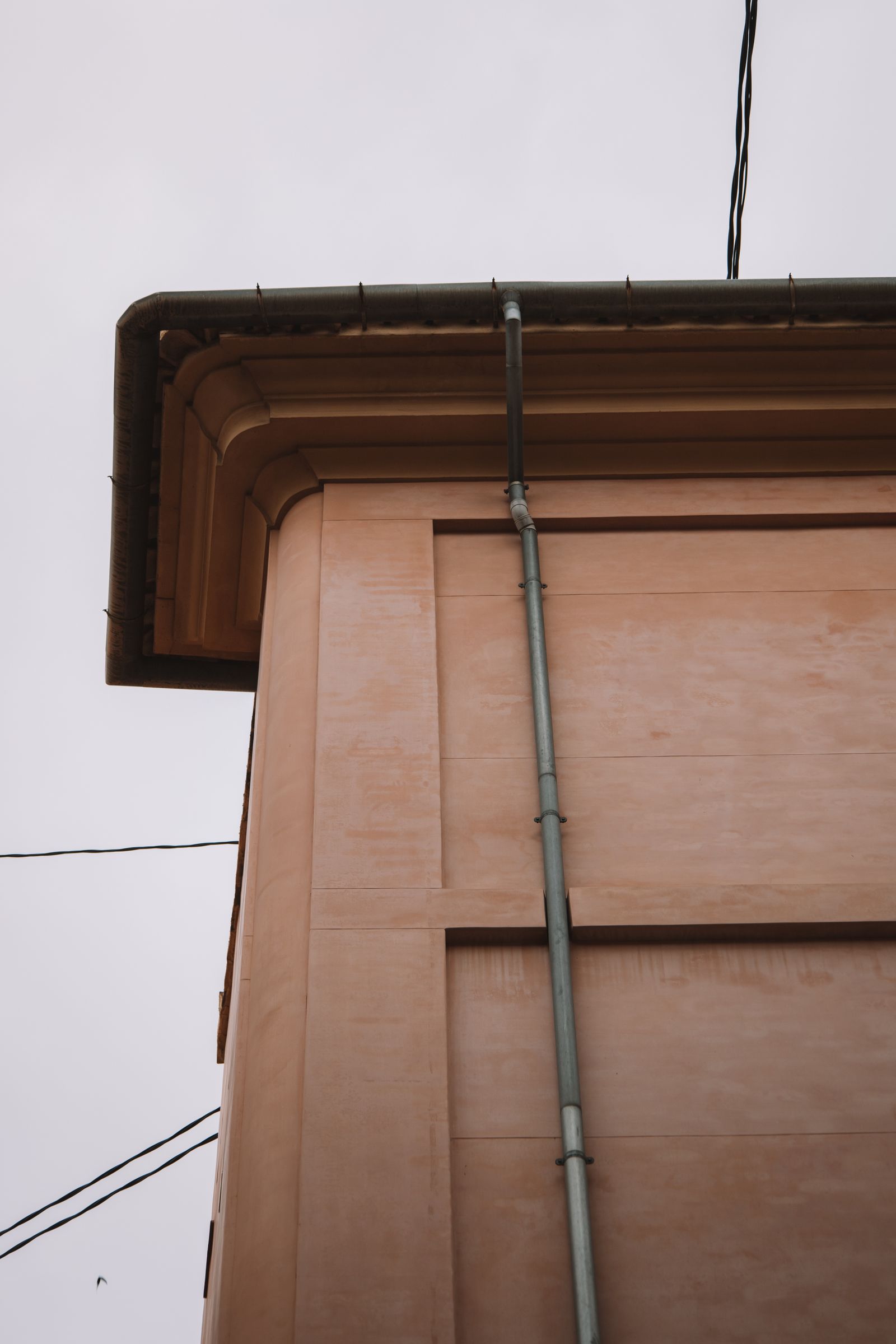
Guttering functions to collect rainwater from the roof and channel it safely to downpipes, helping prevent water damage such as damp patches on walls, soil erosion, or flooding at foundation bases. Fascias are the timber or board panels fixed to the roof edge; these support the guttering and protect roof timbers from weather exposure. Below the fascia, soffits cover the underside of eaves, providing ventilation to the roof void that reduces condensation risks. Together these components maintain your property’s durability and comfort, making them fundamental to home upkeep.
When considering the performance of your guttering system, understanding rainwater flow dynamics is crucial. Gutters are designed to capture and direct rain away from the roofline and building foundation, but they must be properly sized and pitched to handle varying rainfall intensities. In Enfield, where weather can fluctuate from heavy downpours to milder showers, incorrect gutter pitch or undersized gutters can lead to water pooling and overflow. Moreover, the positioning of gutter joints and downspouts influences effective drainage; too few downspouts might overwhelm the system during storms, risking water spillover that can damage walls or saturate the soil near foundations. While gutter repairs may address leaks or broken sections, significant blockages caused by leaves, moss, or debris require thorough cleaning to maintain flow efficiency. It's important to distinguish gutter integrity from roof covering condition—roofs protect from above, but guttering manages water after it falls, so issues in either area affect different parts of the property. Regular inspections during seasonal transitions are advisable to adjust or repair drainage systems, preventing costly water ingress or structural damage linked to inefficient rainwater management.
02 / EXPLAINEDSigns You Might Need Repair or Replacement
Common indicators of problems include visibly sagging or cracked gutters, water stains or peeling paint near rooflines, overflowing water during rain, and warped or rotten fascias and soffits. Blocked gutters create water build-up that can overflow onto walls, causing fabric damage and possible structural harm. Fascias and soffits compromised by rot or pests lose protective effectiveness, making timely intervention essential. Replacement decisions depend on the extent and spread of damage; often, heavily worn materials cost more to repair repeatedly and are better replaced for long-term resilience.
Gutter blockages are a frequent concern that may not be immediately obvious until heavy rain reveals overflow or water damage signs. Leaves, twigs, and even small nests accumulate over time, restricting water movement and causing gutters to overflow, which can damage soffits, fascias, and the property exterior. In Enfield, properties surrounded by mature trees are particularly vulnerable to this issue. Although regular cleaning minimizes blockage risk, there is a trade-off between DIY efforts and professional service benefits: professionals can safely access difficult locations ensuring deep cleaning, whereas homeowners managing their own cleaning might miss hidden blockages leading to recurring problems. Furthermore, obstructed downpipes need clearance alongside gutters for full rainwater system efficacy. In cases where gutters are severely warped or cracked, minor repairs like sealant application might not be sufficient, necessitating section replacement for reliable function. Maintaining soffits and fascias free of water damage or rot is equally important because persistent gutter overflows can accelerate material deterioration, affecting both aesthetic appeal and structural integrity.
03 / EXPLAINEDMaterial Choices and Maintenance Tips
The most common gutter materials include uPVC and aluminium. uPVC is affordable and resistant to rust but has moderate impact strength, while aluminium offers superior durability and corrosion resistance with low upkeep. Fascias and soffits are frequently timber but may be uPVC in modern homes; timber requires maintenance such as painting to prolong life. Cleaning intervals generally range from annual to biannual depending on surrounding vegetation and weather influence. Regular inspections for blockages, damage or decay help detect issues early, saving costs and protecting the building fabric. Professional cleaning services can ensure thorough debris removal and safe access.
Deciding when fascia and soffit repairs are adequate versus replacement requires careful examination of their condition and material type. Fascias, often timber or uPVC, directly support the guttering and shield roof rafters from exposure; prolonged water infiltration from damaged gutters can cause timber fascia boards to rot or swell, which compromises gutter support. In such scenarios, patch repairs only offer temporary fixes if underlying moisture issues remain unaddressed. Similarly, soffits contribute to roof ventilation and protect eaves, so damaged soffits that allow moisture ingress can exacerbate roof void condensation and timber decay. Replacing fascia and soffit boards may be necessary when rot spreads beyond localized areas or when materials are outdated and prone to frequent damage. uPVC alternatives offer lower maintenance, but installation and compatibility with existing structures can be factors to consider. It is also worth noting that gutter work is separate: even if fascia or soffits are repaired or replaced, gutter alignment and secure fixing must be ensured to restore proper rainwater management. A holistic approach examining all three elements together provides the best outcome for long-term durability.