01 / EXPLAINEDRole and Function of Guttering, Fascias and Soffits
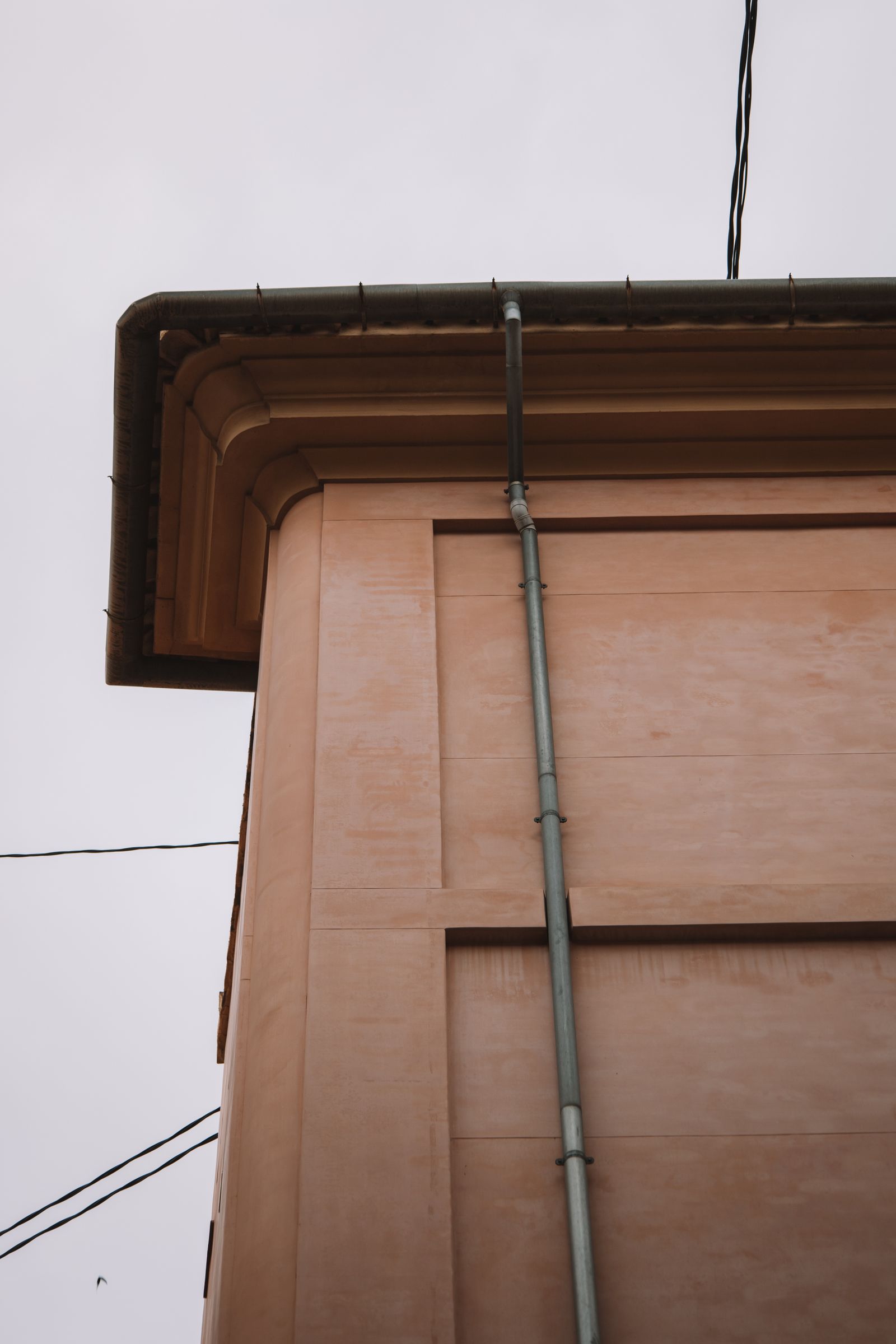
Guttering collects rainwater from your roof and channels it away from walls and foundations to prevent dampness and erosion. Fascias provide structural support along the edge of your roof for gutters and offer a neat finish. Soffits cover the eaves’ underside, allowing airflow into roof spaces to reduce condensation build-up, which helps prevent timber decay. Each component is exposed to weather which can cause blockages, warping, rot or damage if neglected. Understanding these roles highlights why guttering, fascias and soffits require separate attention from roof covering repairs and how proper maintenance helps maintain your home’s integrity.
An essential practical consideration when maintaining gutters in Chelmsford is ensuring unobstructed rainwater flow to prevent overflow and potential property damage. If gutters become blocked with leaves, moss, or debris, water can back up and overflow, damaging walls, foundations and landscaping. While routine clearing of debris is a straightforward preventative measure, homeowners must recognise that gutter blockages can also be caused by poorly aligned or undersized systems that fail to cope with heavy local rainfall. In such cases, merely clearing the gutters may not be sufficient, and professional assessment might suggest upgrading gutter size or layout to optimise drainage. Additionally, downpipe placement and condition must be checked, as blocked or damaged downpipes may worsen water pooling. It’s critical to differentiate gutter issues from roof covering problems; a leaking roof covering does not automatically indicate gutter failure, nor does a faulty gutter confirm roof damage. Proper roofline installations should ensure clean runoff into gutters; if this is not observed, further investigation can identify whether roofing or guttering repairs are required. Comprehensive maintenance not only ensures effective rainwater management but also protects your Chelmsford home’s structural elements over time.
02 / EXPLAINEDWhen to Repair or Replace Roofline Components
Whether you need to repair or replace gutters, fascias or soffits depends on the damage level. Small blockages, minor leaks or localized imperfections can often be fixed with cleaning or repairs. But if you spot extensive rot in timber fascias, sagging gutters, or seriously damaged soffits, replacement is usually best for lasting protection. Regular inspections help find early problems to avoid bigger repairs later. Professionals can advise if repairs can extend the life of components or if replacement will save time and money overall.
With gutter repairs, start by checking joints, seals and brackets. Sealing small leaks or tightening brackets can be a quick, cost-effective fix. But if leaks, corrosion or warping keep coming back, replacement may be the better investment. Also look at fascia and soffit condition since damage there affects gutter support. A rotten fascia can cause gutters to sag even if the gutters themselves are sound. When replacing, it’s important to match materials to avoid future wear or installation issues. Because your budget and appearance preferences matter, get advice based on a thorough inspection for the best balance of quality and cost.
03 / EXPLAINEDMaterial Options and Considerations
Common materials for gutters, fascias and soffits include uPVC, timber, aluminium and steel. uPVC is low maintenance and resistant to rust but can become brittle after many years exposing it to weather. Timber fascias provide a traditional look but require regular painting and protection against rot, especially in wet climates like Chelmsford. Metal options such as aluminium offer durability but may require occasional recoating to prevent corrosion. Selecting the right materials depends on your property’s architectural style, required maintenance level and longevity expectations, helping your roofline components perform well over time.
Evaluating fascia and soffit condition is often overlooked yet crucial whenever guttering work is undertaken. These elements support gutter brackets, protect roof timbers from moisture ingress, and facilitate ventilation necessary to prevent condensation in roof spaces. Damage such as peeling paint, rotting wood, or warping fascia boards can weaken gutter attachment points, leading to misaligned or detached gutters. In some cases, soffit vent blockages can reduce airflow, increasing the risk of timber decay unseen until structural damage occurs. Repairing fascia and soffits independently can sometimes be sufficient; however, if deterioration is widespread, partial or full replacement may be warranted to restore the roofline’s integrity and performance. When considering upgrades, modern low-maintenance materials like uPVC fascias and soffits offer better resistance to rot and weathering but require correct installation to ensure ventilation remains adequate. In Chelmsford’s relatively moist environment, ensuring proper sealing while allowing airflow is a balancing act best managed by professionals. Good fascia and soffit condition supports gutter function by maintaining alignment and providing stable fixings, reinforcing the importance of integrated care across all roofline components.