01 / EXPLAINEDIdentifying Roof Damage Signs
Common indicators that roof repairs may be needed include visible cracked or missing tiles, damp patches or mould within the loft or walls, and visible sagging or deformations in the roofline. Flashing failures often show as water stains near chimneys or roof vents. After severe weather, check for displaced tiles and damaged gutters as these can quickly lead to leaks. Early detection through visual inspections, especially after storms, reduces overall repair complexity.
Safely identifying roof leaks involves both external and internal inspections, but it must be done with caution to avoid accidents or further damage. Roof inspections should ideally be conducted with proper safety equipment, such as sturdy ladders and non-slip footwear, and under suitable weather conditions to reduce risk. Internally, look for water stains, peeling paint, or damp patches on ceilings and walls, particularly after heavy rain. Externally, carefully check around roof lights, chimneys, and valleys—common leak points where water can enter through cracks or failed seals. In Ware’s variable weather, pay special attention after storms, when high winds or driving rain can cause subtle damage to tiles and flashings that may not be immediately visible. When visual inspection is unsafe or inconclusive, it is advisable to engage professional roofers who have experience in safely accessing and identifying the source of leaks. Keep in mind, leaks can travel along rafters and may appear far from their origin, so pinpointing leaks accurately often requires a combination of probing, moisture meters, and sometimes thermal imaging. Prompt identification helps avoid the costly consequences of untreated leaks, such as structural decay or mould growth inside the property.
02 / EXPLAINEDUnderstanding Your Roof Materials
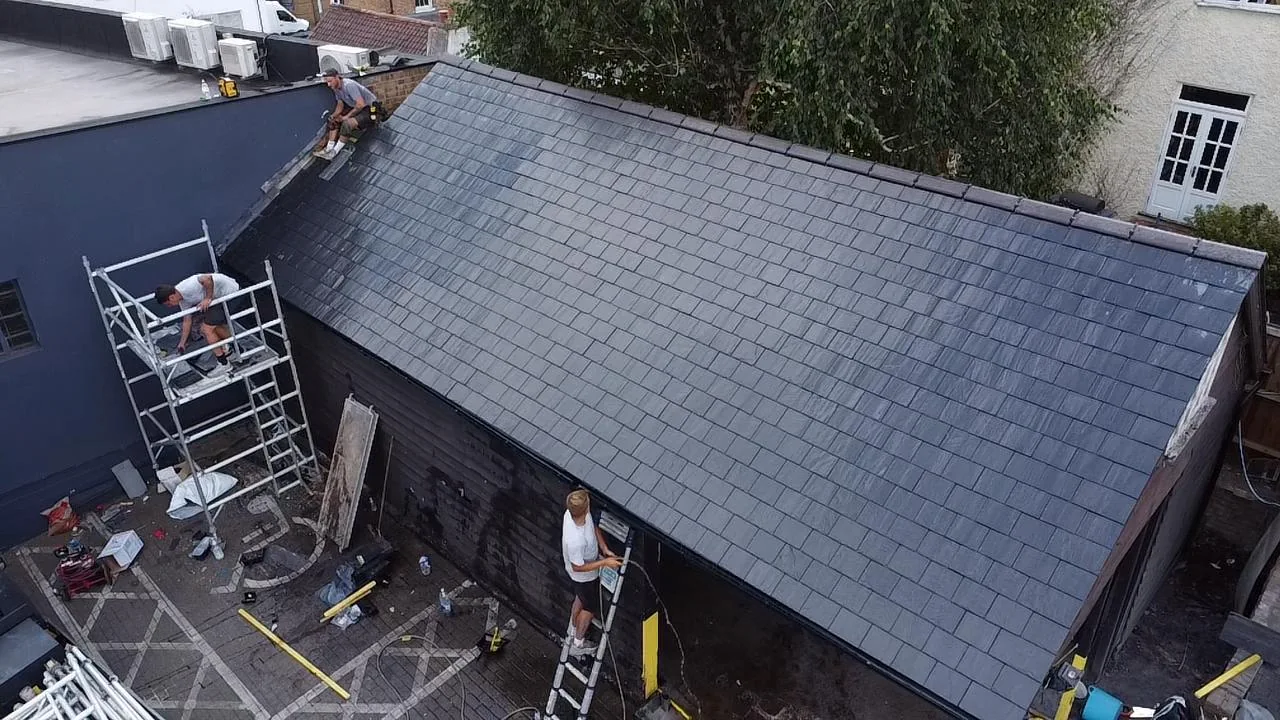
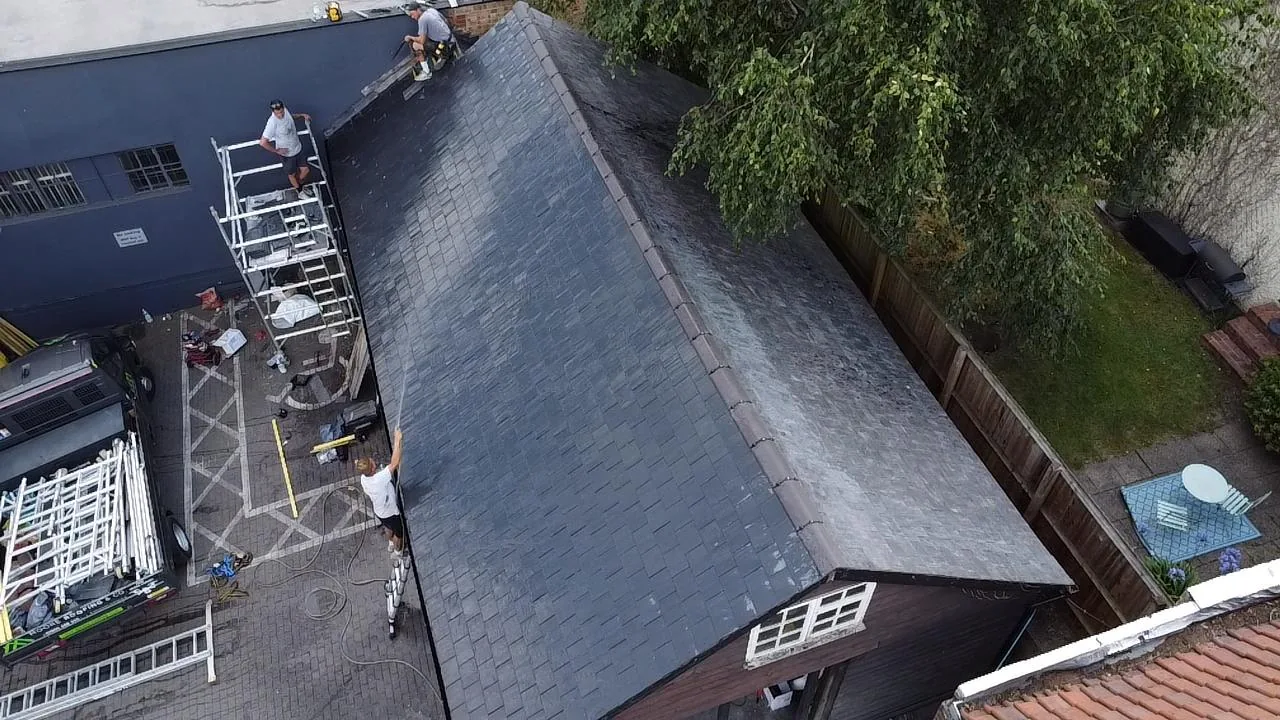
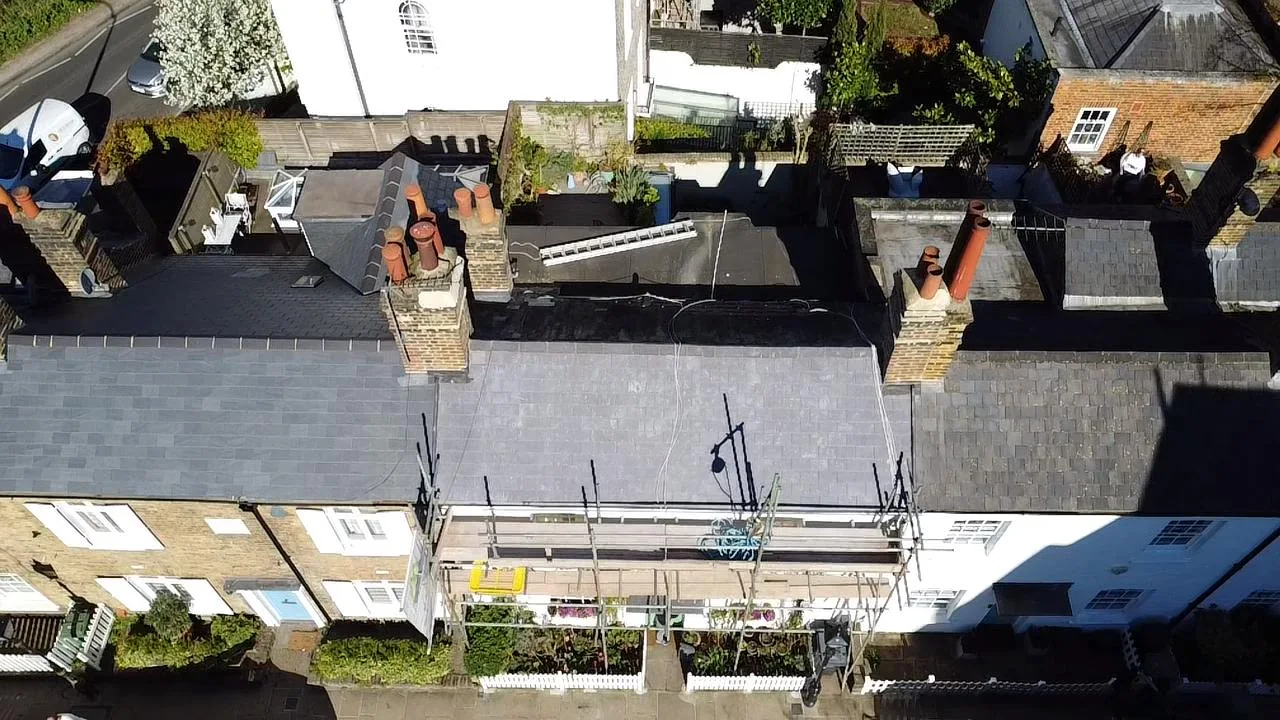
Ware houses feature various roofing materials such as concrete tiles, clay tiles and slate. Each material requires specific repair methods. For instance, slate must be carefully lifted to replace damaged pieces without causing breakage, while concrete tiles can often be clipped or mortared back in place. Matching materials preserves the roof’s appearance and effectiveness. Raptor Roofing stresses verifying your roof’s composition before repairs to source proper materials and avoid mismatches or accelerated wear.
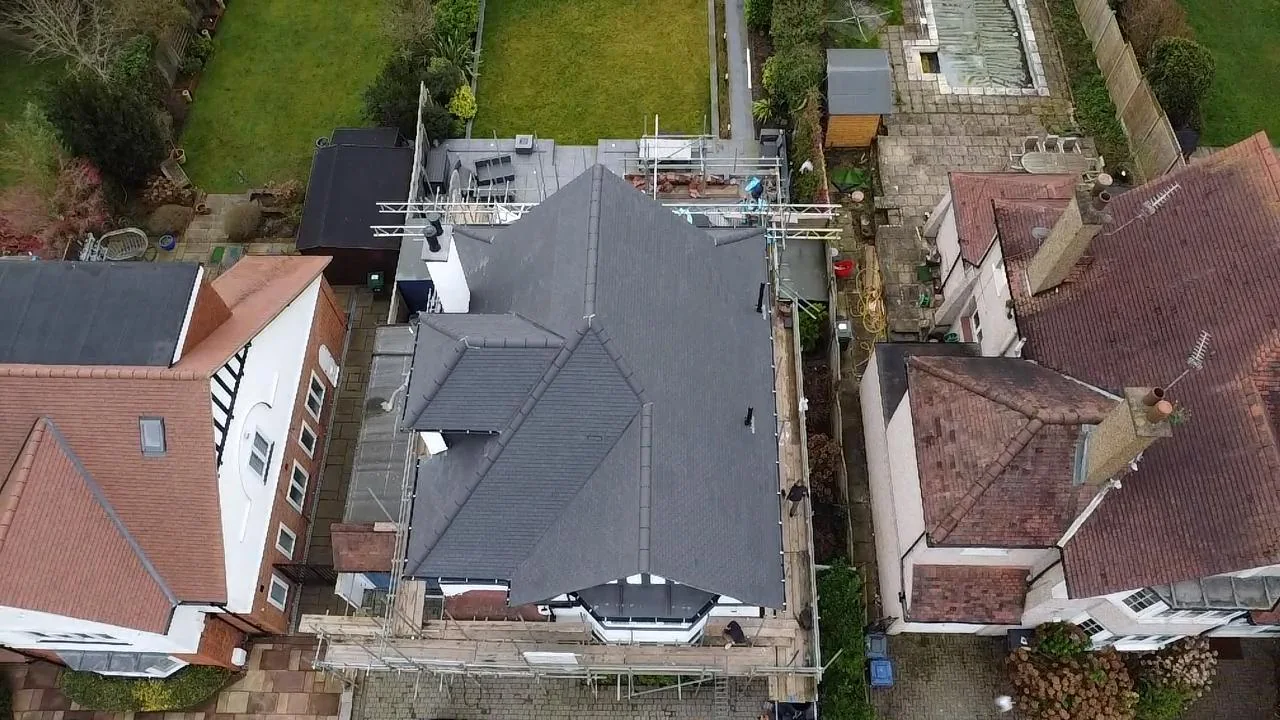
Slipped, cracked, or broken tiles are common issues following storms or due to natural wear in Ware’s older roofs. Addressing these promptly can prevent rainwater ingress and further roof deterioration. When inspecting for slipped tiles, it’s important to carefully examine roof junctions—where different roof planes meet, at chimneys, or around dormer windows—as these are particularly vulnerable points for tile displacement. Tiles may become dislodged by wind uplift or freeze-thaw cycles causing grout or mortar to fail. However, simply refixing slipped tiles without thorough evaluation risks overlooking underlying issues like damaged battens or waterproof membranes. Repair choices involve trade-offs: replacing only the affected tiles is cost-effective but may not resolve hidden damage beneath; fully replacing sections enhances protection but increases expense. Additionally, material matching is crucial to maintaining the roof’s integrity and appearance, especially when using traditional clay or slate tiles common in Ware. Improper replacement can lead to accelerated wear or mismatched aesthetics. Regular visual checks after storms and seasonal maintenance inspections reduce the risk of missed tile slips escalating into leaks.
03 / EXPLAINEDWhen to Seek Specialist Advice
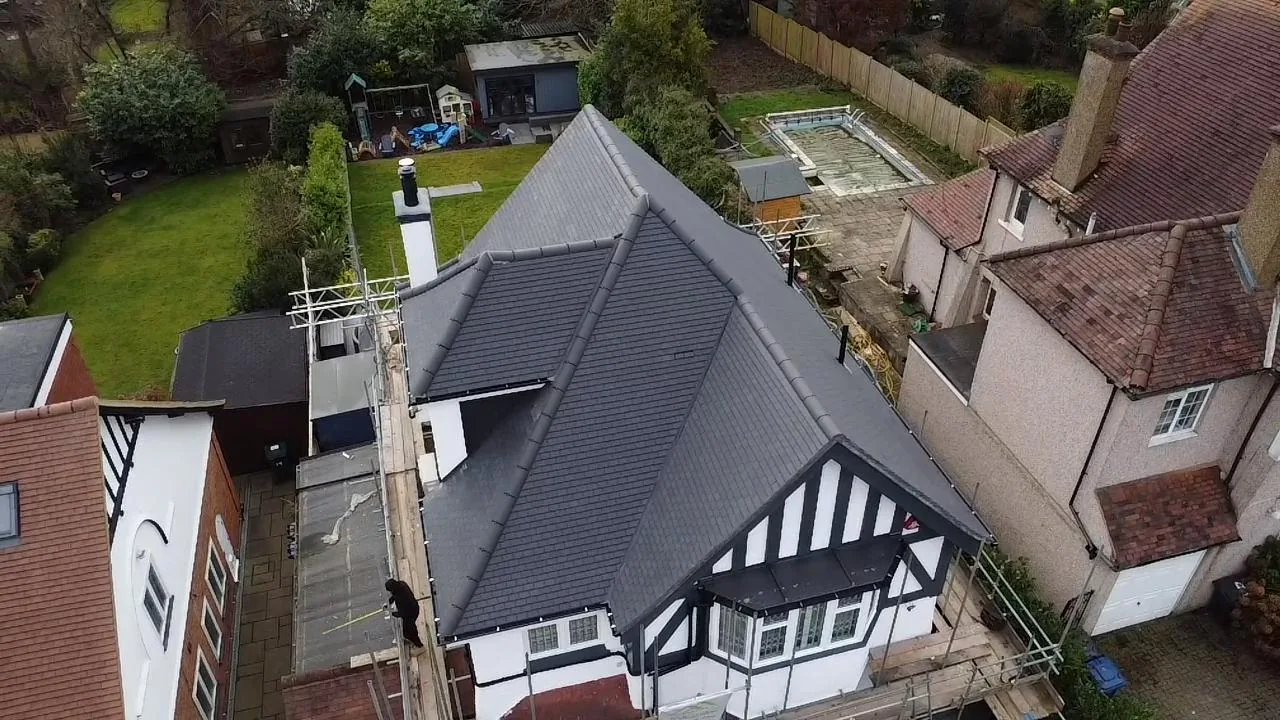
If damage is widespread or involves the roof structure — for example obvious timber rot, sagging sections or multiple leaks — a more detailed inspection is usually needed to identify hidden problems. Complex roof shapes and roof junctions (where roofs meet walls, chimneys or adjoining sections) can hide deterioration; close inspection helps decide whether local repairs will suffice or if a larger repair is more appropriate.
Storms and severe weather often expose weak points around flashings, chimney junctions and mortar. Small issues such as an isolated cracked tile or a split flashing seam can often be repaired in isolation. However, where mortar is heavily eroded, multiple tiles are displaced, or rot is found in the supporting timbers, repairs can become more extensive because the work must restore the roof’s waterproofing and structural support.
Access and safety are important. Some junctions are awkward to reach and working at height is hazardous; leave inspection and repair to trained contractors. Where initial repairs don’t stop a leak, or defects recur, arrange a fuller survey so repair decisions are based on the underlying condition rather than temporary patches. If you’re unsure what to do next, contact Raptor Roofing for an assessment and clear, practical advice on the options.