01 / EXPLAINEDRecognising the Need for Roof Repairs
Key signs that roof repairs may be necessary include missing or broken tiles, leaks inside the home, damp patches on ceilings or walls, and deteriorated flashing around chimneys or vents. Blocked or damaged gutters and compromised fascias or soffits can also affect roof performance. Early detection through regular roof inspections reduces the risk of water ingress, mould growth, and structural weakening that can escalate repair costs if ignored.
When assessing your roof from the ground, safety must be your primary concern. While visible signs like cracked or missing tiles, sagging sections, or unusual debris can indicate problems, these indicators don’t always reveal the full extent of underlying damage. Use binoculars or a good-quality zoom camera to spot loose roofing materials and deteriorated flashings more clearly. However, surface defects such as moss or minor discoloration might not always mean immediate repair is needed; they sometimes stem from weather exposure or aging materials rather than active water ingress. Equally, hidden issues like deteriorated underfelt or rot in timber supports often require close-up inspection by professionals. If you observe rapid changes after storms or persistent damp spots indoors, these warnings should prompt a specialist roof survey. Avoid walking on roofs yourself to prevent injury or further damage, especially if the structure is compromised or access is awkward. Instead, document observations and photographs to share with roofers, enabling them to provide informed recommendations without unnecessary site visits. This measured approach balances early problem recognition with practical safety and clarity before committing to repair plans.
02 / EXPLAINEDRepair or Replace? Making the Right Call
Deciding between repairing your roof or replacing it depends on damage extent, age, and overall condition. Localised issues like a few slipped tiles typically warrant repairs, while extensive wear, frequent leaks or structural concerns may suggest replacement is more practical long-term. Obtaining a professional assessment helps weigh factors such as cost-effectiveness, durability and safety. Raptor Roofing supports Radlett homeowners by providing impartial guidance to avoid unnecessary expenditure.
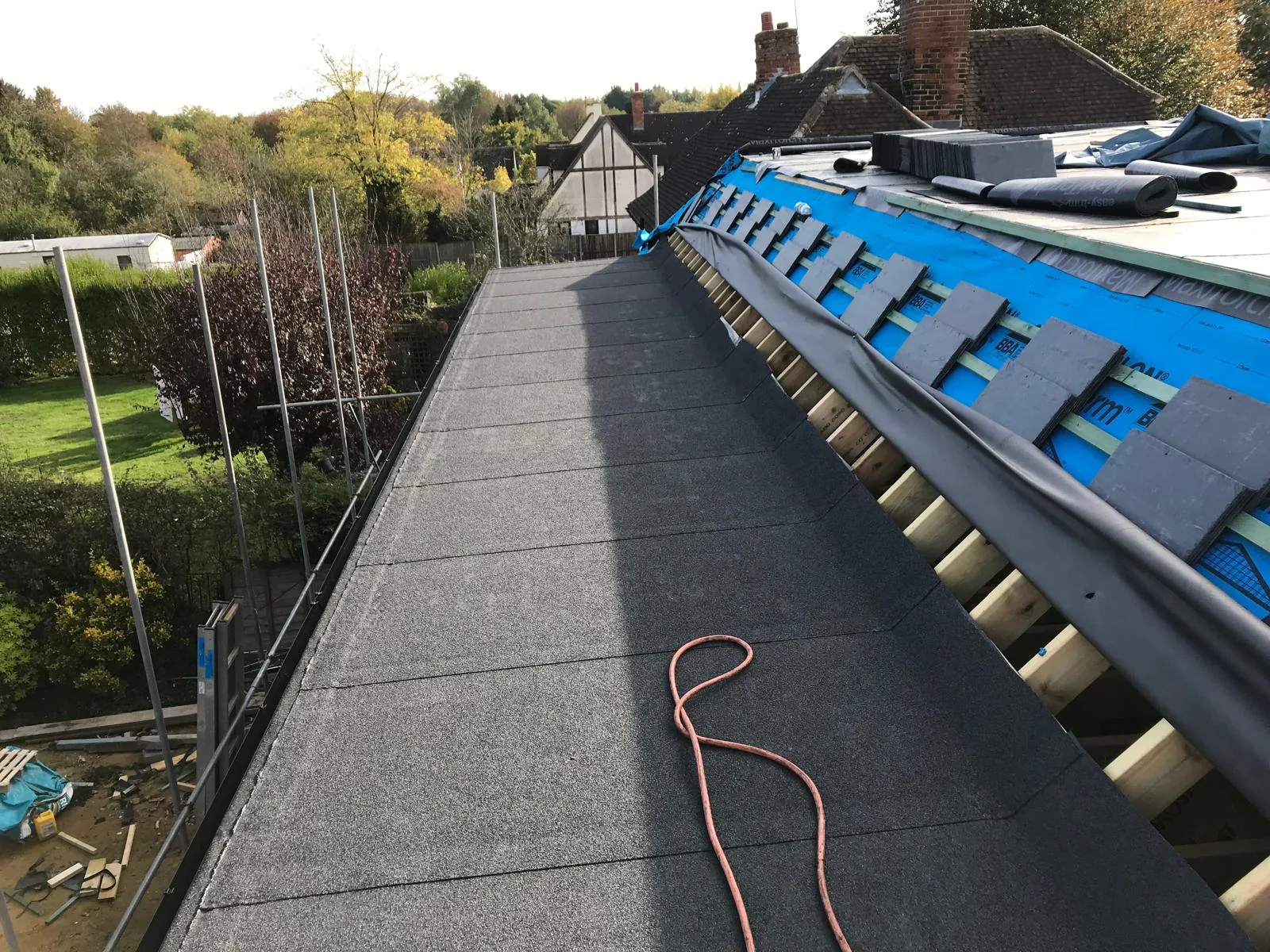
Understanding your roof’s construction type is crucial when considering repairs in Radlett. Different roofs—such as pitched, flat, or those with complex features like dormers—pose unique challenges affecting repair methods, costs, and feasibility. For example, flat roofs commonly develop membrane cracks or ponding water which require specialist materials and techniques distinct from tiled roofs, which may suffer broken slates or slipped tiles. Access restrictions due to building height, roof pitch steepness, or scaffolding requirements also impact the scope and safety of repairs. Some older roofs might incorporate materials now less commonly used, complicating sourcing of matching parts or necessitating modern alternatives, potentially affecting aesthetic consistency. When planning repairs, consider the potential for partial works to affect roof integrity or warranties, especially where multiple trades intersect such as chimney repairs or guttering replacements. Raptor Roofing advises that thorough professional assessments consider these factors to tailor repair proposals for both short-term fixes and sustainable outcomes, balancing cost against long-term durability, weather resilience, and property value impacts.
03 / EXPLAINEDMaintaining Your Roof After Repairs
Routine maintenance post-repair prolongs your roof’s lifespan and prevents recurring problems. Clearing moss, algae and debris limits moisture retention and tile decay. Regular gutter cleaning prevents water backup damaging the roof edges and external walls. Periodic inspections can identify early wear or shifting materials before leaks develop. Scheduled cleaning and maintenance help safeguard your roofing investment. Maintenance advice should reflect the specific roof covering, drainage details, existing condition and safe access rather than assumed features of Radlett properties.
Before making an enquiry for Roof Repairs in Radlett, it helps to gather relevant information so you can receive the most accurate advice and quotes. Compile details such as your property’s age, roof type, recent weather events that may have caused damage, and any history of past repairs or maintenance. If possible, take clear photographs of all affected areas from different angles, including gutters, downpipes, and fascias. Note indoor signs like ceiling stains or dampness along with any seasonal patterns. Also, be ready to describe roof access conditions, for instance, if there are ladders, balconies, or restrictively high pitches involved, as these affect safety assessments and cost estimates. Understand that repair costs can vary widely depending on material availability, labour intensity, and whether underlying structural elements require attention. Clear communication about scope, assumptions and possible extra work helps set realistic expectations. Confirming all scopes of work, warranties offered, and typical timelines during your initial enquiry will help ensure your chosen specialist can meet your roof repair needs effectively and safely.