01 / EXPLAINEDSpotting Roof Damage Early
Regularly inspecting your roof can reveal early signs of damage like slipped or cracked tiles, corroded flashing, or patches of moss that hold moisture. Look inside your loft or walls for damp spots or water stains, which often indicate leaks. Early detection is especially important after heavy weather events, as even minor tile displacement can expose roof underlays and lead to water ingress. Taking note of obstructions in gutters and downpipes can help maintain effective drainage and prevent overflow that damages roof edges. While physical checks from ground level can identify visible issues, periodic professional inspections provide a safer and more comprehensive assessment of hidden faults and structural integrity.
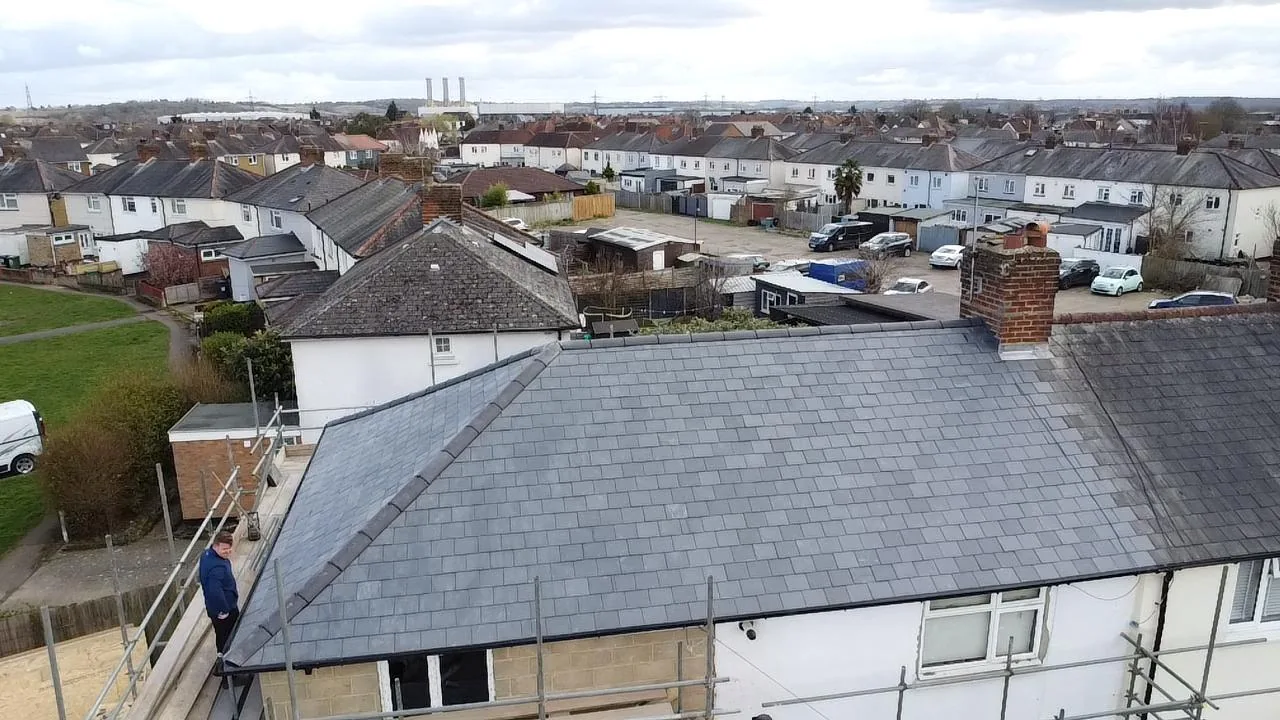
Identifying the exact source of a roof leak is often more challenging than spotting obvious damage like cracked tiles. Leaks can emerge from hidden areas such as roof junctions where different sections meet, valleys where water channels down, and around chimneys or ventilation pipes. These transitional points are particularly vulnerable due to the complexity of their construction and the potential for sealant degradation over time. When water stains appear on ceilings or walls, tracing the water’s route back to the roof requires careful examination, sometimes necessitating access under the roofing materials or inside loft spaces. Slipped tiles can create subtle gaps that allow water in without clear exterior evidence, making early detection difficult without a climbing inspection. While homeowners can watch for signs like damp patches or mould odors indoors, safely investigating suspicious areas outdoors should be left to professionals, given the risks of working at height and the need to avoid further tile displacement. Documenting and reporting all visible symptoms allows roofing experts to prioritise investigation areas and apply the most effective targeted interventions to potentially costly leaks.
02 / EXPLAINEDChoosing the Right Repair Approach
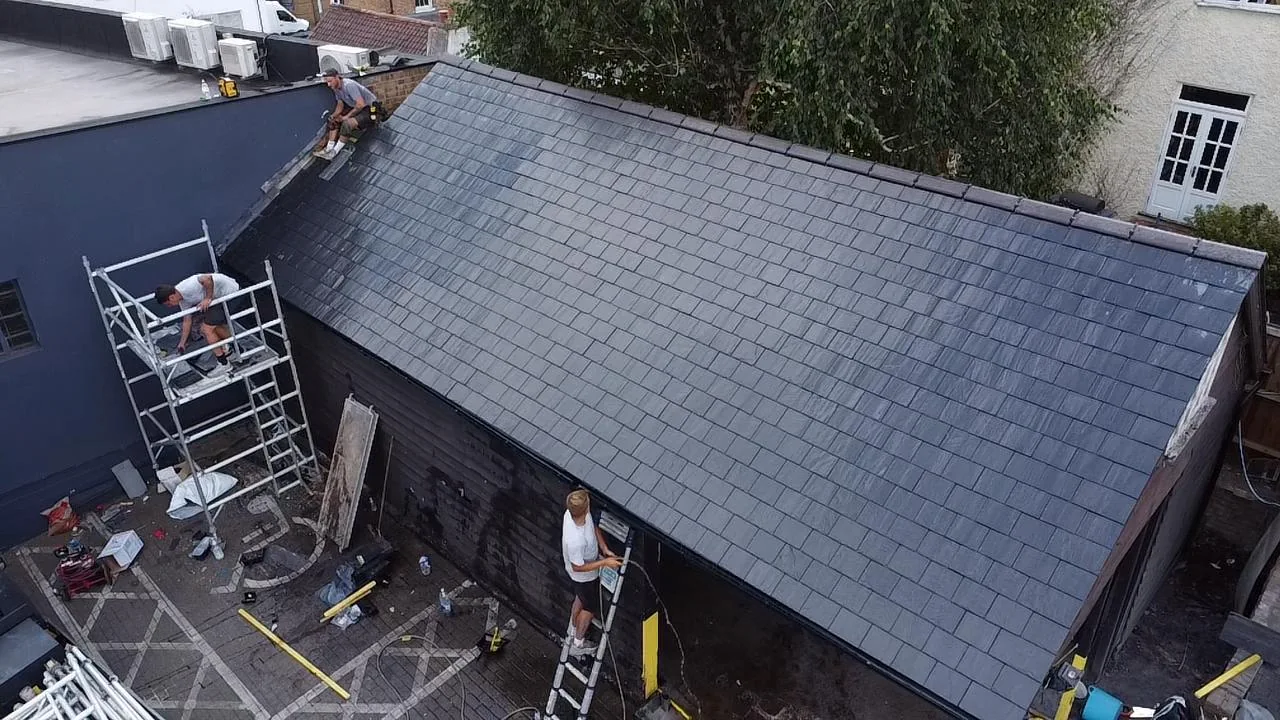
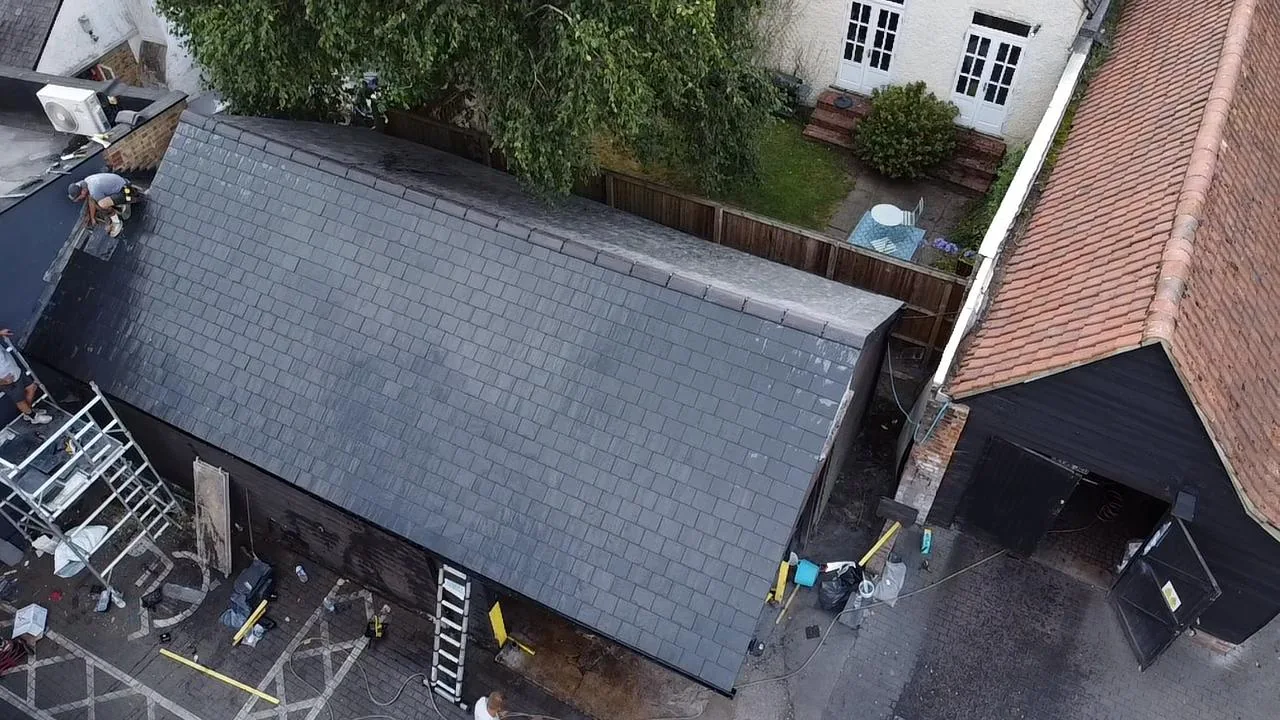
The appropriate repair depends on roof type, material, and damage extent. For tiled or slated roofs, replacing individual damaged tiles or realigning slipped ones is a common and cost-effective option. Flashing repairs address leaks at junctions, chimneys, and valleys where water penetration risk is highest. Smaller leaks might need resealing or patching, but persistent wet areas may require further investigation to assess if underlying membranes or timbers are affected. In some cases, temporary repairs can prevent immediate water ingress until a more permanent solution is feasible. Understanding these options helps homeowners weigh repair costs versus potential upgrade or partial re-roofing, particularly on older properties where multiple faults might be present.
Storm damage introduces unique challenges for roof repairs due to the variable severity and often widespread impact on roofing materials. Strong winds can dislodge multiple tiles or slates, break brittle components, and twist flashing, compromising the roof’s waterproofing system. However, not all storm-related damage is immediately visible—misshapen gutters, minor tile cracks, or loosened fixings can worsen over time if left unattended. Assessing roof damage after storms requires a thorough survey to differentiate between superficial wear and structural compromises. Some repairs, such as replacing a few slipped or broken tiles, can be completed quickly and economically, while others, like severe flashing damage at roof junctions or chimney bases, may require more extensive work to prevent chronic leaks. In Cockfosters, regular upkeep before storm seasons can reduce vulnerability, but post-storm evaluation remains critical. Trade-offs involve balancing urgent patch repairs against wider refurbishment costs, factoring in age and overall roof condition to decide if continued spot repairs are viable or if a more comprehensive approach is appropriate.
03 / EXPLAINEDPreparing for Your Roof Repair Enquiry
Before contacting a roofing provider, gather essential details about your property’s roof—its type, age, condition, and visible problems. Photographs showing damage from various angles are very helpful. Note any known history of leaks or previous repairs and check accessibility aspects such as roof height and tight spaces that might affect work. Be ready to discuss when damage was first noticed and any emergent issues following storms or prolonged rainfall. Asking about the materials and techniques used in proposed repairs will ensure clarity and confidence. Finally, remember that contractors servicing Cockfosters cover a broad region; confirming their availability and specific capabilities for your property avoids miscommunication.
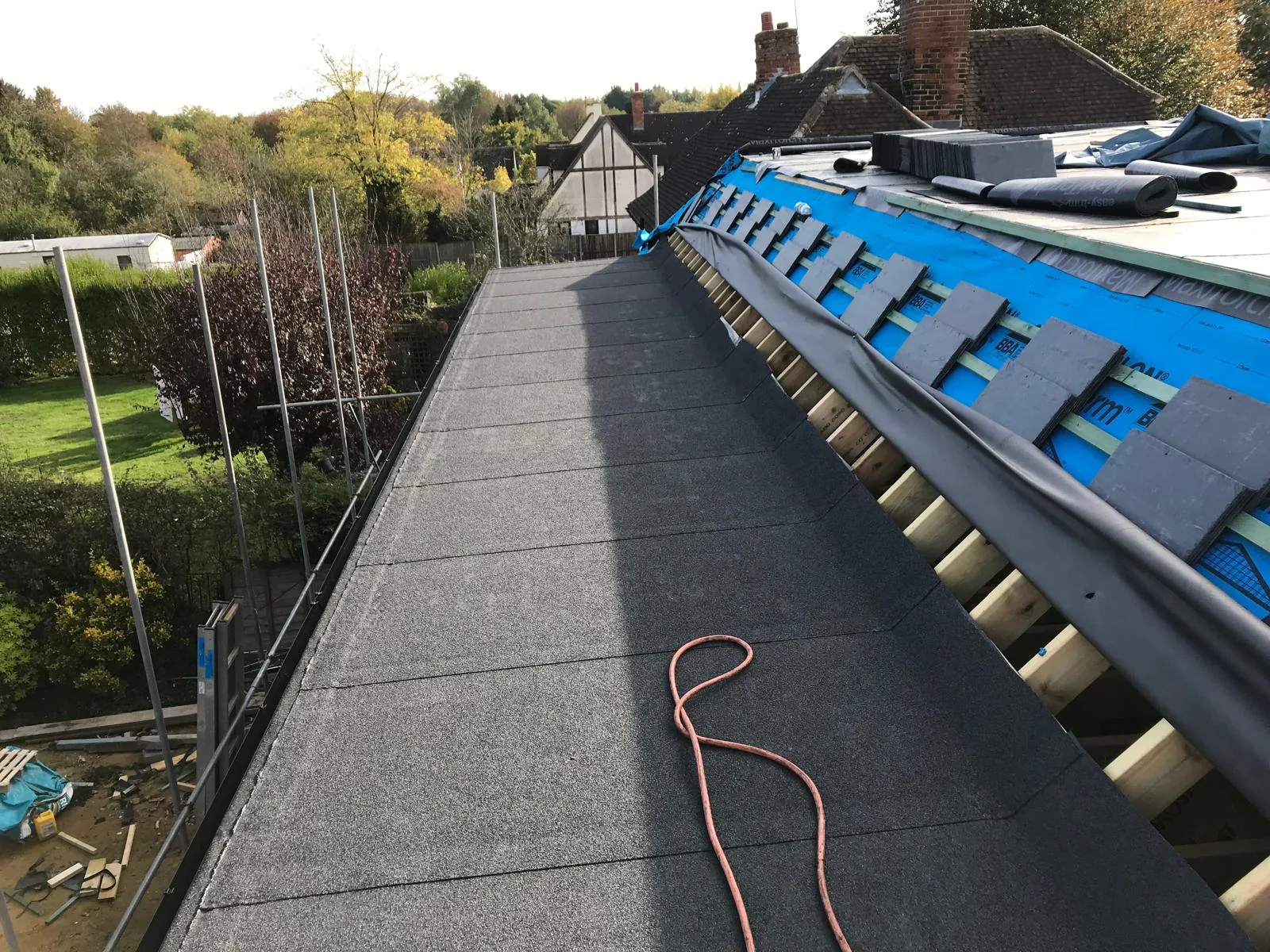
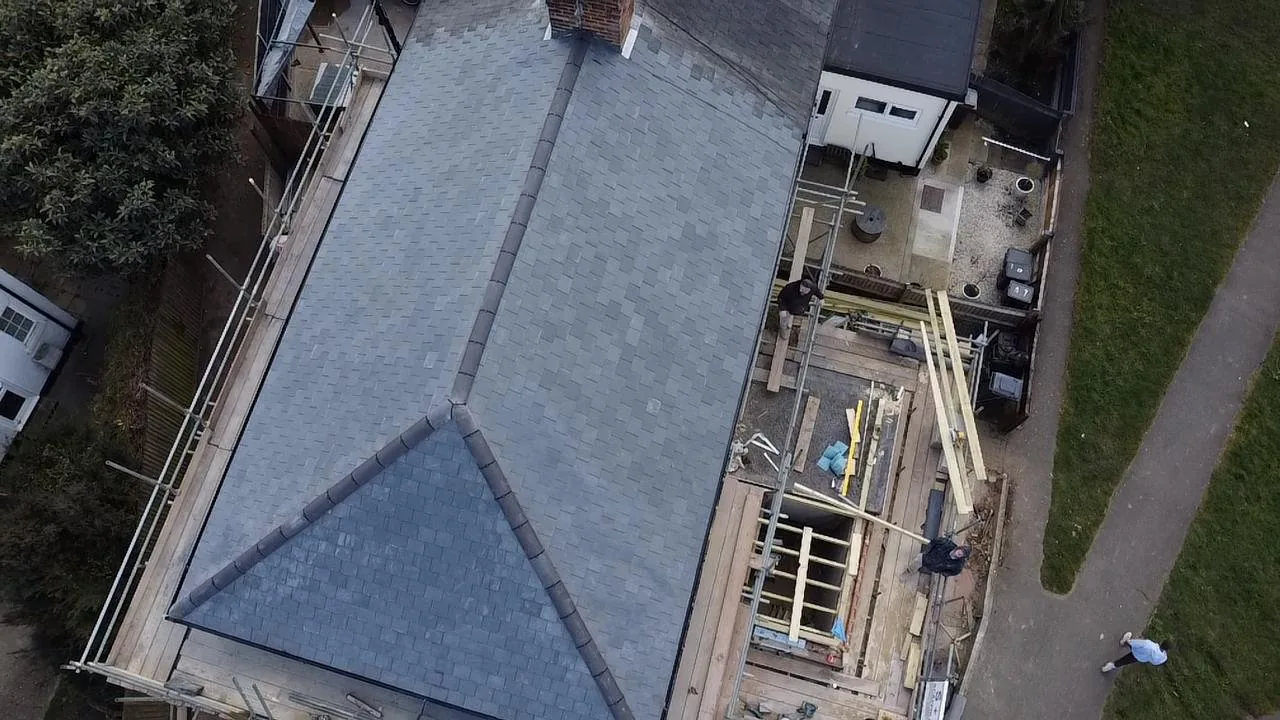
Roof junctions—where two or more roof sections converge—demand particular attention during repairs due to their complexity and high exposure to weather. These areas typically involve intricate flashing arrangements to channel water safely down gutters and prevent infiltration into the roof structure. Over time, sealants may crack or metal flashings can corrode or become displaced, especially at hips, valleys, and abutments to walls or dormers. Repairing junctions often addresses leaks that standard tile replacement will not fix and may require removing surrounding roofing materials to access hidden damage underneath. Decisions about flashing repair versus replacement depend on the extent of corrosion, material compatibility, and possible underlying timber deterioration. Some roofing materials pose challenges when integrating with flashing, requiring specialist fittings or bespoke solutions. When commissioning repairs in Cockfosters, clarify with contractors how they plan to treat junctions and if upgrades to modern waterproofing membranes or enhanced flashing materials are feasible, considering cost, disruption, and long-term resilience.