
RAPTOR ROOFING & CONSTRUCTION LTD

Sturdy Boundary Fences and Bespoke Carpentry for Chingford

Got a leaning boundary, rotten panels or gates that scrape the ground? We replace or repair timberwork, make-to-measure gates and build basic decking subframes, matching the approach to your site and access. Send photos and measurements and we’ll outline the practical options and the next steps after a short assessment.

Fencing and Carpentry in ChingfordHERTFORDSHIRE / ESSEX / LONDON

AN INTRODUCTION / 08

Essential Fencing and Carpentry Practical Work, Clear Next Steps

Describe which panels or posts are affected, whether gates bind and any access limitations. With that information we’ll indicate whether repair, replacement or bespoke carpentry is the sensible route for your property in Chingford.

Loose posts, sagging panels or decay at ground level compromise the safety and life of the whole run. We inspect visible defects, check for movement and consider ground and boundary responsibility before recommending repair or replacement. For bespoke carpentry — gates, trellis or decking subframes — we specify correct timber sizes, corrosion-resistant fixings and suitable preservative treatment so the new work performs with the existing boundary.

EXPLORE THE OPTIONS

OUR SERVICES / 08

Our Core Fencing and Carpentry Services

Need boundary work or external timber features in Chingford? Core services include installation, targeted repairs, full replacement and bespoke carpentry for gates and simple decking structures. Each job begins with a practical assessment of ground, access and neighbouring boundaries so material choices and site constraints are clear.

01 / 05FENCING & CARPENTRY

Fence Installation

Want a new boundary fence? We set posts solidly, level the run and fit panels or boards so the line is straight and secure, accounting for ground condition and access when choosing post depths and fixings. Prior to work we agree panel style, timber treatment and delivery logistics to avoid surprises on site.

ENQUIRE ABOUT THIS SERVICE
02 / 05FENCING & CARPENTRY

Fence Repairs

Localised damage — a broken panel, rotten post or loose fixings — can usually be repaired by replacing the failing elements and re-securing surviving timber. Repairs include renewing posts, splicing or swapping panels and refastening rails with corrosion-resistant fixings, and we’ll explain whether a repair is a long-term solution or an interim measure.

ENQUIRE ABOUT THIS SERVICE
03 / 05FENCING & CARPENTRY

Fence Replacement

When most posts are decayed, multiple panels fail or the fence keeps leaning after repairs, full replacement is often the more economical and safer option. We remove the old timber, prepare new post holes suited to ground conditions and install fresh panels or closeboard runs to the agreed specification. For shared boundaries we’ll recommend documenting ownership before work starts so the project proceeds clearly.

ENQUIRE ABOUT THIS SERVICE
04 / 05FENCING & CARPENTRY

General Carpentry

Gates that bind, distorted frames or simple timber structures are covered by our carpentry work: gates, basic decking subframes, trellis screens and fitted timber features. We focus on correct timber sections, sturdy framing and corrosion-resistant fixings so items hang squarely and perform reliably; for complex carpentry we request an on-site survey to confirm tolerances and material choices.

ENQUIRE ABOUT THIS SERVICE
05 / 05FENCING & CARPENTRY

Outdoor Timberwork

Bespoke timber elements — made-to-measure gates, trellis tops or decorative screens — are designed with practical details in mind: suitable timber species or treatment, correct spacing for ventilation and fixings that resist corrosion. We discuss finish options and maintenance implications so the piece matches the existing boundary while remaining serviceable outdoors.

ENQUIRE ABOUT THIS SERVICE

OUR PROCESS / FOUR STAGES

Our Fencing and Carpentry Process

Proceeding with the project follows a clear sequence: an initial information check (photos, measurements or a survey), agreement on materials and access, the work itself using secure fixing methods, and a final inspection with maintenance advice. Timings depend on scope, access, materials and weather, and dates are confirmed in writing after the survey.

  1. STAGE / 0101 — 04
    01

    Initial Assessment

    Photos, a postcode and basic measurements let us usually indicate likely options; where images don’t show the full picture or ground conditions are uncertain, a site visit is recommended. The assessment covers post condition, visible rot, ground type and any access restrictions so proposed work matches the reality on site.

  2. STAGE / 0202 — 04
    02

    Agreeing Materials and Design

    Choices about fence style, timber treatment and fixings are guided by durability and maintenance requirements. We discuss whether pressure-treated softwood, a naturally durable species or alternative details such as trellis or morticed gates suit the site, and we confirm delivery routes and neighbour access before arranging works.

  3. STAGE / 0303 — 04
    03

    Installation or Repair Work

    Onsite work begins with setting posts plumb and to a depth suited to the ground, fitting panels or bespoke timber items and using fixings chosen to resist corrosion. Repairs replace only the defective elements where sensible; replacements remove old materials and install new posts and panels to the agreed specification.

  4. STAGE / 0404 — 04
    04

    Completion and Handover

    Finished work is inspected for alignment and secure fixings, gate operation is demonstrated and we leave a short note on care and maintenance. We’ll point out routine checks you should make and suggest treatment options to help the timber last longer without creating unnecessary ongoing work.

WHY CHOOSE RAPTOR / WHAT MATTERS

Why Choose Professional Fencing and Carpentry?

Choosing the right approach to post foundations, timber selection and fixing methods reduces the risk of recurring faults and hidden failure. Professional intervention targets the root causes of leaning, decay and operational problems with gates and other timber features.

01

Correct Timber and Fixings

Wrong timber species or inadequate preservative treatment speeds rot and distortion. We choose timber sections and corrosion-resistant fixings for external use, specify ventilated joins and leave sufficient clearance at ground level so the timber performs as intended.

02

Practical Site Assessment

Where the soil is soft or access tight, post fixing method and depth must change to suit conditions. We check soil type, slope and obstructions before work begins so posts are set appropriately and panels align, reducing future leaning or movement.

03

Targeted Repairs Save Money

Sometimes a single replaced post or panel will extend the life of the rest of the run and avoid an unnecessary full replacement. We identify which elements are structural and which are cosmetic, helping you choose a cost-effective repair plan without masking deeper problems.

INSIGHT / Decision Guidance

Making the Right Choices for Fencing and Carpentry in Chingford Practical Steps for Homeowners

Starting from the visible defects and the ground gives a practical basis for deciding between repair, replacement or bespoke work. That starting point determines which options deliver a durable, cost-effective result.

01 / EXPLAINED

Assessing Your Current Fencing Condition

Panels loose, wobbling posts or rot at the base point to how urgent intervention is. First identify whether the issue is localised — a single rotten post or one damaged panel — or widespread. Localised problems can often be fixed by replacing the single failing element and re-securing adjacent boards. Widespread decay, multiple leaning posts or repeated failures after repairs indicate compromised foundations and that replacement will be more economical long term. When assessing, check for soil trapped against posts, loose rail fixings and sagging gates; these details show likely repair methods. Send photos showing the defect plus a short note on ground and access and we’ll outline whether repair is feasible or replacement is advised. Acting early on visible issues reduces the chance of extensive timber loss and keeps replacement costs down.

02 / EXPLAINED

Selecting the Right Fence Style and Timber

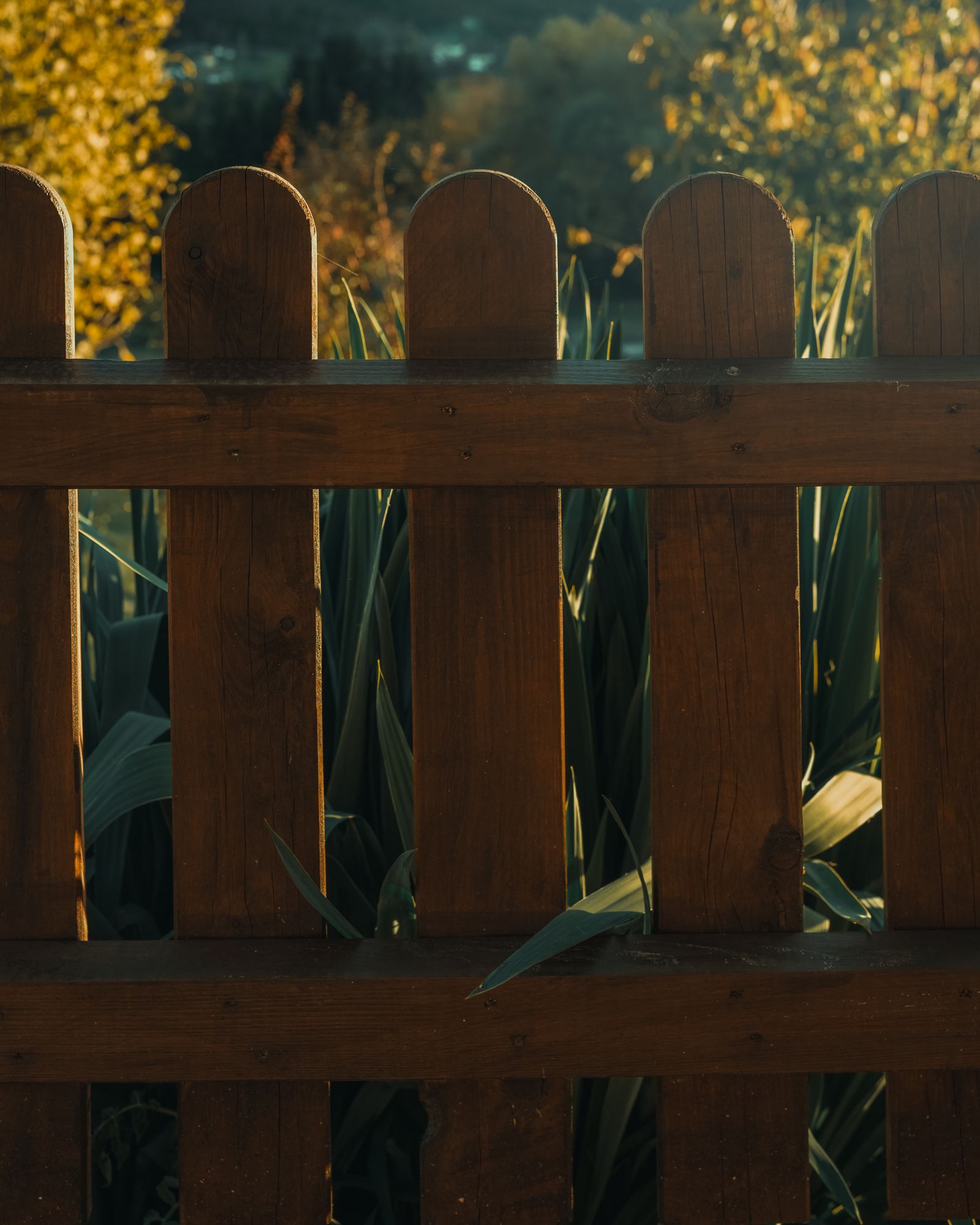
Style should reflect privacy needs, boundary definition and maintenance expectations. Closeboard gives a solid screen for rear gardens, panel fencing allows modular replacement and picket fencing suits decorative front gardens. Match the style to upkeep: treated softwood is cost-effective but benefits from staining; naturally durable hardwoods lower routine maintenance at higher initial cost. Consider wind exposure and adjacent planting — fenced areas next to dense foliage or shade retain moisture longer, so allow extra clearance at the base and consider stronger preservative treatment. For gates and bespoke items, ensure frame rigidity and correct timber dimensions to prevent sagging. Use corrosion-resistant fixings and provide ventilation behind boards to reduce rot. Supply measurements and photos and we will explain trade-offs between upfront cost and ongoing maintenance so you can choose what fits your budget and performance needs.

03 / EXPLAINED

Understanding Carpentry Contributions Beyond Fencing

Carpentry quality dictates how gates, decking bases or timber screens behave over time. Correct carpentry starts with suitable framing sizes and preservative treatment for external exposure. Gates need square frames and hinge fixings anchored to a substantial post to avoid sag. Decking subframes must be level and well-spaced to allow ventilation and prevent trapped moisture beneath boards. For trellis or decorative screens, avoid point loads on thin posts and allow for timber movement as it swells and contracts. When commissioning bespoke work, describe expected use — heavy daily access or occasional garden use — so timber sections and fixings match the load. Simple adjustments, like a diagonal brace in a gate or deeper posts in soft ground, extend service life substantially. Provide photos of the surrounding area and note existing structures you want matched so the finished carpentry integrates neatly with the garden.

AREAS WE SERVE

Areas We Cover Around Chingford

Around Chingford we cover local borders such as Waltham Abbey, Enfield and Loughton. Send your postcode plus a few clear photos and we’ll advise the sensible next steps for fencing or carpentry work in your area.

DISCUSS YOUR LOCATION
01 / COUNTYHertfordshire
02 / COUNTYEssex
03 / REGIONLondon

START THE CONVERSATION

Tell us about the job and we will take a look

Send us a few photographs and your postcode using the form, or give us a call. We will come back to you, arrange a survey where one is needed, and set out in writing what we recommend and why before any work is agreed.

FENCING / ENQUIRY DETAILS01 — 05

Tell us about your project.

Send your project details to Raptor using the form below.

Your enquiry will be sent securely through this website.

QUESTIONS / FENCING & CARPENTRY

Frequently Asked Questions About Fencing and Carpentry

Unsure whether to repair or replace, or what to include in an enquiry? These FAQs address common concerns about fence types, bespoke carpentry and maintenance so you know what to supply and what to expect.

ASK ANOTHER QUESTION
01What fencing types can you install in Chingford?

Looking for privacy or a neat boundary? Common timber choices include closeboard for solid screening, modular panels for easy replacement, picket for decorative front gardens and trellis toppings to add height without visual heaviness. Send photos and measurements and we’ll advise on treatment and fixing methods suited to your ground and exposure.

02Do you offer bespoke carpentry for garden gates and decking?

Planning a made-to-measure gate, trellis or a basic decking subframe? We design and build items to suit the site; for heavier or structurally complex carpentry we recommend a site visit so material sizes, fixing details and clearances can be confirmed to ensure reliable performance.

03How do I know whether to repair or replace my fence?

Only a single rotten post or one damaged panel? Repair is usually the most economical choice. Where multiple posts are loose, several panels fail or the whole run leans repeatedly, replacement is often safer and better value long term. Send photos and a note on ground and access and we’ll advise which approach suits your situation.

04Can you advise on maintenance, and do you carry out upkeep work?

Need maintenance guidance? We explain what to check seasonally and which treatments suit your timber finish, and we can carry out repairs and upkeep work where required. Our recommendations distinguish measures that extend service life from cosmetic fixes that only delay deeper repairs.

05What factors affect fence installation cost and logistics?

Check whether ground is soft, sloped or waterlogged as that changes post foundations and cost. Difficult material access, long runs, shared boundaries and removal of old fencing also affect logistics and price. Tell us about access, run length, height and surface conditions so we can factor those elements into our recommendation.

06Do I need to check boundaries or permissions before work starts?

Resolve unclear boundary ownership before work to avoid disputes. We don’t provide legal advice, but we will ask you to confirm ownership and whether a neighbour is involved. If responsibility is shared, agree access and the scope of works with neighbours in advance to keep the project straightforward.